Nigeria’s energy crisis continues to affect millions, but solar and renewable energy provide a realistic path toward a stable power supply.
The Scale of Nigeria’s Energy Crisis
- Over 80 million Nigerians lack access to electricity
- Rural electricity access remains significantly lower than urban access
- Businesses rely heavily on diesel generators
- Frequent outages reduce productivity and increase operating costs
Why the National Grid Alone Cannot Solve the Problem
Nigeria’s national electricity grid has struggled for decades under the weight of growing demand, ageing infrastructure, inadequate investment, and operational inefficiencies. While improving the grid remains important, relying on it alone is no longer a realistic solution for solving the country’s electricity crisis.
One of the biggest challenges is insufficient generation capacity. Nigeria has a population of over 220 million people, yet the country often generates only around 4,000 to 5,000 megawatts of electricity daily. This amount is far below what is needed to power homes, industries, hospitals, schools, and businesses across the country. By comparison, some smaller countries generate significantly more electricity despite having much smaller populations.
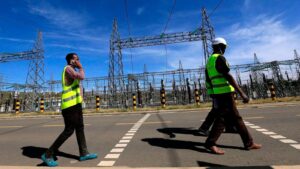
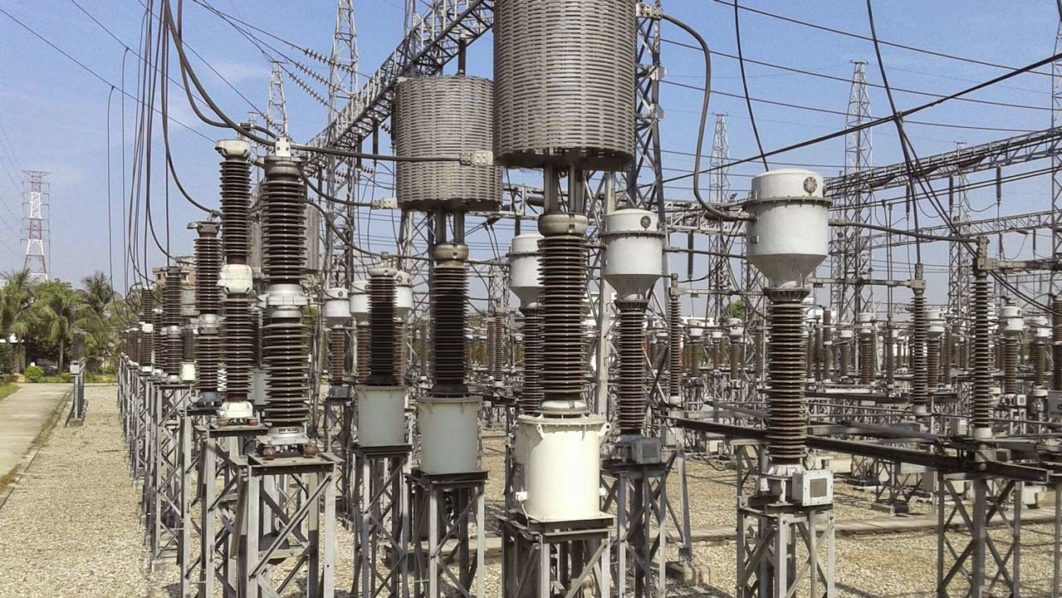
Another major issue is weak transmission infrastructure. Even when electricity is generated, the national transmission network often cannot efficiently distribute it across the country. Transmission lines, substations, and related infrastructure remain outdated and overloaded. This leads to frequent system collapses, voltage fluctuations, and widespread blackouts that affect millions of Nigerians.
Electricity distribution companies (DisCos) also face financial and operational challenges. Many struggle with revenue collection, energy theft, metering problems, and unpaid electricity bills. As a result, they often lack the financial capacity needed to upgrade infrastructure or improve service delivery. This creates a cycle where poor service reduces customer trust, while low revenue limits further investment.
Rural electrification presents another major challenge. Thousands of communities across Nigeria are located far away from existing grid infrastructure. Extending transmission lines and distribution networks to these remote areas is extremely expensive and time-consuming. In many cases, the cost of connecting rural communities to the national grid is far higher than deploying decentralised renewable energy solutions such as solar mini-grids and solar home systems.
Population growth and urbanisation are also increasing pressure on the grid. Nigeria’s population continues to grow rapidly, while cities such as Lagos, Abuja, Port Harcourt, and Kano experience rising energy demand from households, businesses, data centres, and manufacturing industries. The current grid infrastructure cannot keep pace with this growth without massive long-term investment.
In addition, dependence on gas-powered generation creates vulnerabilities within the energy sector. Gas supply disruptions, pipeline vandalism, and maintenance issues frequently reduce electricity generation capacity. This overdependence on fossil fuel infrastructure limits energy reliability and exposes the country to fuel price volatility.
Fixing the national grid will require billions of dollars in investment, long-term political commitment, and years of infrastructure upgrades. While these improvements are necessary, they cannot deliver immediate electricity access to millions of Nigerians who currently lack reliable power.
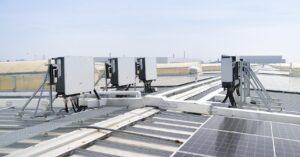
This is why decentralised renewable energy solutions are becoming increasingly important. Solar home systems, rooftop solar installations, and mini-grids can be deployed much faster and more affordably than traditional grid expansion. They provide immediate relief for homes, businesses, schools, clinics, and rural communities without depending entirely on centralised infrastructure.
Rather than replacing the national grid completely, renewable energy solutions can complement it. A hybrid energy future that combines grid improvements with decentralised solar systems offers Nigeria the fastest and most practical path toward stable electricity access, economic growth, and long-term energy security.
Why Solar Is the Best Alternative
Key achievements include:
- More than one million solar home systems deployed
- Mini-grids powering underserved communities
- Rapid growth in off-grid solar adoption across Nigeria
Policy Support
Government initiatives such as REMP, NREEEP, and the Nigeria Electrification Programme continue to encourage renewable energy expansion