Energy efficiency in renewable energy is becoming one of the most important drivers of growth in the clean energy sector. While many people associate the future of clean energy with more solar panels, larger battery banks, and expansive wind farms, the real opportunity lies in helping businesses and households use energy more intelligently. By reducing waste and improving efficiency, companies can lower costs, optimise system performance, and achieve better returns on their renewable energy investments.
Those technologies are important. But the biggest opportunity in clean energy may come from a much simpler idea: using less energy to achieve the same results.
In other words, the next wave of growth in renewable energy will not be driven only by generating more electricity. It will be driven by efforts to help businesses and households waste less energy.
This is where energy efficiency in renewable energy becomes a game-changer.
Across Nigeria and many emerging markets, customers are not just asking for more power. They are asking:
- How can I reduce my electricity bills?
- How can I cut diesel consumption?
- How can I improve the return on my solar investment?
The answer often starts with energy efficiency.
What Is Energy Efficiency in Renewable Energy?
Energy efficiency means reducing the amount of electricity required to perform the same task.
For example:
- Replacing fluorescent bulbs with LED lighting
- Using energy-efficient air conditioners
- Installing variable speed drives
- Upgrading to efficient refrigeration systems
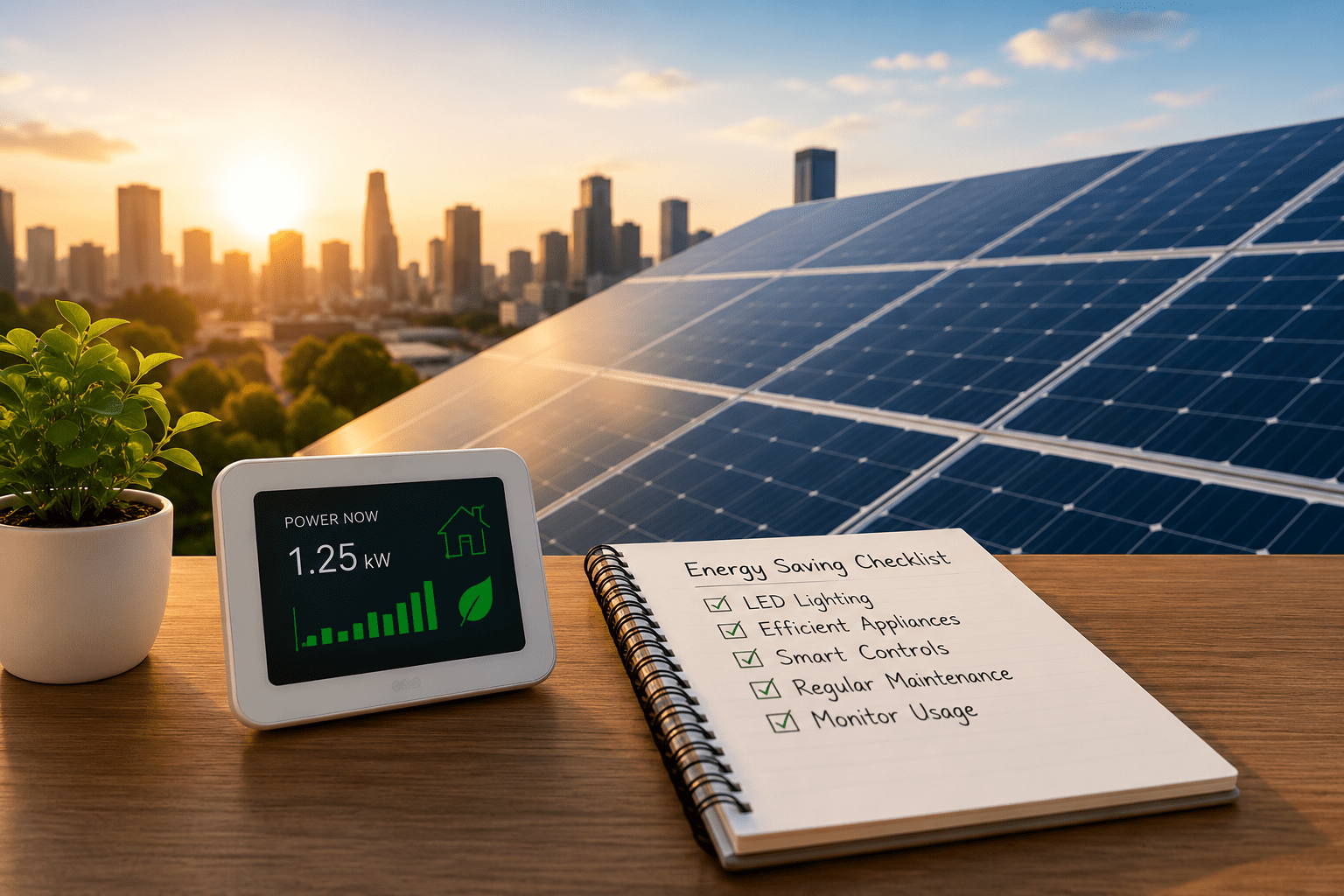
- Monitoring energy use with smart controls
When energy efficiency is combined with solar and battery storage, customers can lower energy costs and improve system performance.
Why Reducing Energy Waste Matters
Every wasted kilowatt-hour costs money.
If a business consumes more energy than necessary, it will need:
- Larger solar panels
- More battery storage
- Bigger inverters
- Higher capital investment
By reducing waste first, the customer can install a smaller system and recover their investment faster.
That is why many energy professionals now follow a simple principle:
“Save first, generate second.” Mr. Gad Ogunyinka, Lead Consultant
How Energy Efficiency Improves Renewable Energy Projects
Lower Project Costs
Reducing energy consumption means smaller and less expensive solar systems.
Faster Payback Periods
Lower upfront costs and immediate savings improve return on investment.
Better System Performance
Reduced load decreases stress on batteries and inverters.
Longer Equipment Life
Systems operate more efficiently and require less maintenance.
Greater Customer Satisfaction
Customers save money and experience better performance.
Energy Efficiency in Nigeria: A Massive Untapped Opportunity
Nigeria faces rising diesel prices, unreliable grid supply, and increasing electricity tariffs.
Many businesses install solar systems without first addressing inefficient equipment and wasteful consumption patterns.
Common energy losses include:
- Outdated air conditioning systems
- Poorly maintained motors
- Excessive lighting loads
- Inefficient cold rooms
- Equipment left running after business hours
By addressing these issues, businesses can reduce energy use by 20% to 40% or more.
Practical Example: Waste Reduction and Solar Savings
Imagine a factory that consumes 1,000 kWh per day.
After implementing efficiency upgrades, consumption drops by 30%.
Daily usage falls to 700 kWh.
This means the company can install:
- Fewer solar panels
- Smaller battery banks
- Lower-capacity inverters
The result is lower capital costs and a faster payback period.
New Revenue Opportunities for Clean Energy Companies
Energy efficiency creates new service offerings beyond equipment sales.
These include:
- Energy audits
- Load assessments
- Efficiency retrofits
- Smart monitoring systems
- Performance optimization
- Maintenance contracts
These services generate recurring revenue and deepen customer relationships.
Industries That Benefit Most from Energy Efficiency
The greatest opportunities are found in sectors with high electricity consumption, including:
- Manufacturing
- Hotels
- Hospitals
- Cold storage facilities
- Shopping malls
- Educational institutions
- Agricultural processing
Why Customers Want Solutions, Not Just Solar Panels
Most customers are not looking to buy solar panels.
They want to:
- Reduce operating costs
- Minimize downtime
- Improve reliability
- Increase profitability
When renewable energy companies focus on solving these problems, they become trusted partners rather than product suppliers.
The Future of Clean Energy Is Smarter Energy Use
The clean energy industry is evolving.
Success will not be determined solely by how much power is generated, but by how intelligently that power is used.
Companies that integrate renewable energy with efficiency and waste reduction will:
- Deliver better customer outcomes
- Build stronger relationships
- Differentiate from competitors
- Grow faster
Conclusion
The biggest opportunity in clean energy is not simply generating more electricity.
It is helping customers waste less energy.
By focusing on energy efficiency and waste reduction, renewable energy companies can lower project costs, improve returns, and unlock powerful new revenue opportunities.
The future belongs to businesses that help customers use energy more intelligently.
Ready to Grow Your Renewable Energy Business?
Visit www.outbrandconsulting.com to learn how we help renewable energy companies build stronger brands, generate qualified leads, and drive sustainable revenue growth across Africa.