How to Choose the Right Solar Inverter in Nigeria
As electricity costs continue to rise and grid reliability remains a challenge, more Nigerians are turning to solar energy for homes and businesses. While solar panels often get the most attention, the inverter is actually the brain of any solar power system.
Choosing the wrong inverter can result in poor performance, reduced efficiency, battery issues, and unnecessary expenses. Whether you’re installing a solar system for your home, office, factory, school, or commercial facility, selecting the right inverter is critical to achieving maximum value from your investment.
This guide explains everything you need to know about choosing the right solar inverter in Nigeria.
What Is a Solar Inverter?
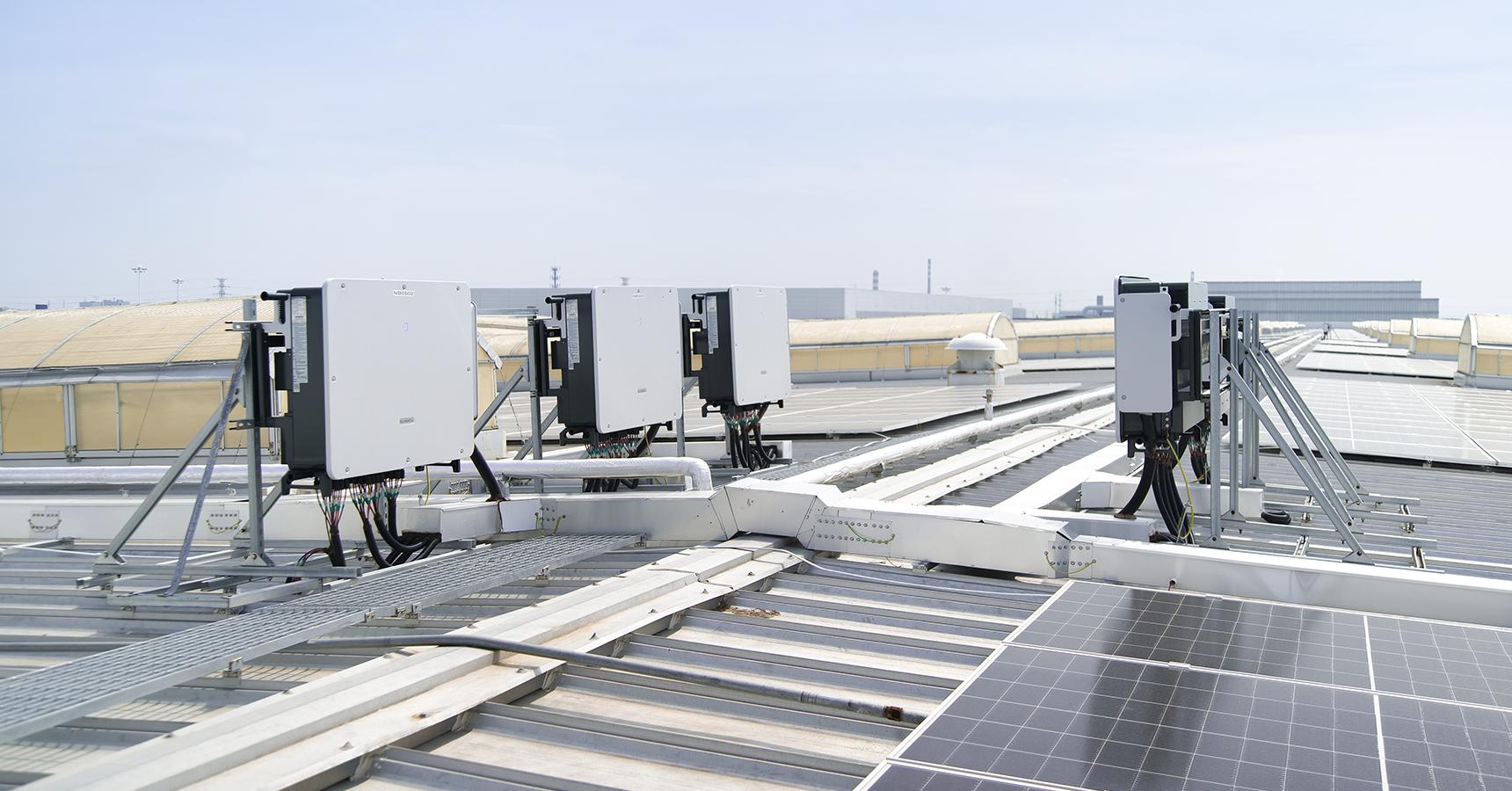
A solar inverter is a device that converts the direct current (DC) electricity generated by solar panels and batteries into alternating current (AC), which powers most electrical appliances.
Without an inverter, the electricity generated by your solar panels cannot be used by your televisions, refrigerators, air conditioners, computers, lighting systems, and other household appliances.
Think of the inverter as the control centre that manages energy flow between your solar panels, batteries, the national grid, and your electrical loads.
Why Choosing the Right Inverter Matters
The right inverter can:
- Improve energy efficiency
- Extend battery lifespan
- Reduce electricity costs
- Support future system expansion
- Enhance overall system reliability
- Deliver better return on investment
A poorly selected inverter can lead to frequent shutdowns, battery damage, insufficient power output, and increased maintenance costs.
Types of Solar Inverters Available in Nigeria
- Hybrid Inverters
Hybrid inverters are the most popular choice in Nigeria today.
They can simultaneously manage:
- Solar panels
- Battery storage
- National grid power
- Generator backup
Benefits
- Greater flexibility
- Battery charging capability
- Reduced electricity bills
- Backup power during outages
- Future-ready for grid-tied applications
Best For
- Homes
- Offices
- Schools
- Commercial buildings
- Off-Grid Inverters
Off-grid inverters operate independently from the national electricity grid.
They rely entirely on solar panels and batteries.
Benefits
- Complete energy independence
- Ideal for remote locations
- Reliable during prolonged outages
Best For
- Rural communities
- Farms
- Telecommunications sites
- Remote facilities
- Grid-Tied Inverters
Grid-tied inverters work alongside utility power and typically do not require batteries.
As Nigeria moves toward renewable energy integration and net billing frameworks, grid-tied systems are expected to become increasingly popular.
Best For
- Commercial buildings
- Industrial facilities
- Businesses with reliable grid access
Determine Your Power Requirements
Before selecting an inverter, calculate your energy consumption.
Create a list of appliances you want to power:
- Television
- Refrigerator
- Fans
- Air conditioners
- Computers
- Water pumps
- Lighting
For example:
Appliance| Wattage
Refrigerator| 250W
Television| 120W
Fan| 80W
Lighting| 150W
Laptop| 100W
Total Load = 700W
To accommodate startup surges and future expansion, add a 20–30% buffer.
Recommended inverter size = 1kVA to 1.5kVA.
Understand Inverter Capacity
Solar inverters are commonly rated in:
- kVA (Kilovolt-Amperes)
- kW (Kilowatts)
Common residential inverter sizes include:
- 1kVA
- 2.5kVA
- 3.5kVA
- 5kVA
- 8kVA
- 10kVA
Commercial systems may use:
- 15kVA
- 20kVA
- 50kVA
- 100kVA and above
Choosing an inverter that is too small can cause overloads and shutdowns.
Check Battery Compatibility
Not all inverters support every battery type.
Lithium Batteries
Advantages:
- Longer lifespan
- Faster charging
- Higher efficiency
- Minimal maintenance
Lead-Acid Batteries
Advantages:
- Lower initial cost
- Widely available
Before purchasing, ensure the inverter supports your preferred battery technology.
Prioritise Efficiency Ratings
Inverter efficiency determines how much generated energy is actually usable.
A quality inverter should have:
- Minimum efficiency of 95%
- Low standby power consumption
- Advanced Maximum Power Point Tracking (MPPT) technology
Higher efficiency means more savings over the lifespan of the system.
Look for Smart Monitoring Features
Modern solar inverters offer:
- Wi-Fi monitoring
- Mobile applications
- Real-time performance tracking
- Remote diagnostics
These features allow users to monitor:
- Solar production
- Battery status
- Energy consumption
- Grid availability
Smart monitoring can help identify faults before they become major problems.
Consider Future Expansion
Many Nigerians initially install small solar systems and expand later.
Choose an inverter that allows:
- Additional solar panels
- Extra battery storage
- Increased load capacity
Scalable systems reduce future upgrade costs.
Warranty and After-Sales Support
A solar inverter is a long-term investment.
Look for manufacturers offering:
- 5–10 years warranty
- Local technical support
- Spare parts availability
- Certified installers
Avoid purchasing products solely because they are cheaper.
The cost of downtime and replacement often exceeds the initial savings.
Popular Solar Inverter Brands in Nigeria
Several reputable inverter brands are available in Nigeria, including:
- Deye
- Huawei
- GoodWE
- Growatts
- Solis
- Sungrow
- SRNE
- Mercury
- Felicity
- C-Worth
Common Mistakes to Avoid
Choosing Based Only on Price
Cheap inverters often result in higher maintenance costs and shorter lifespans.
Ignoring Future Growth
Many users outgrow their systems within a few years.
Poor Installation
Even the best inverter will perform poorly if installed incorrectly.
Buying from Unverified Sources
Always purchase from authorised distributors and reputable solar companies.
Which Inverter Size Is Right for You?
Small Apartment
- 1kVA – 2.5kVA
Medium Home
- 3.5kVA – 5kVA
Large Home
- 5kVA – 10kVA
Commercial Facility
- 10kVA and above
A professional energy audit is recommended before making a final purchase.
Conclusion
Choosing the right solar inverter in Nigeria is one of the most important decisions you will make when investing in solar energy. The ideal inverter should match your power requirements, support your preferred battery technology, offer high efficiency, and provide room for future expansion.
As electricity tariffs continue to increase and businesses seek more reliable energy solutions, investing in a quality solar inverter can significantly reduce operating costs while improving energy security.
Before purchasing, consult experienced solar professionals who can assess your energy needs and recommend the most suitable inverter for your home or business.
A well-chosen inverter today can provide reliable power and savings for many years to come.