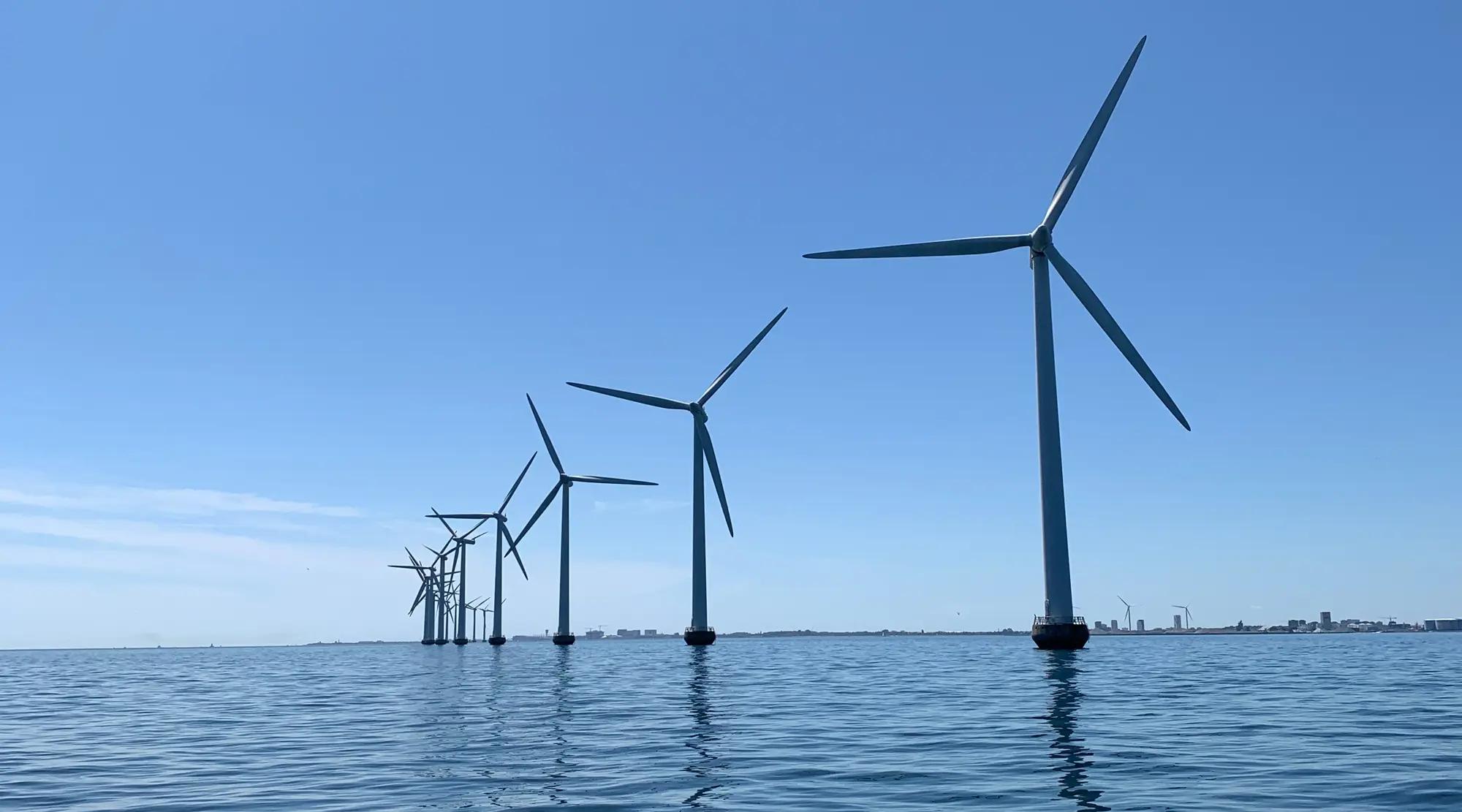
Nigeria’s renewable energy conversation has largely focused on solar power, but wind energy is gaining attention as a complementary solution for improving electricity generation and energy security.
With increasing demand for reliable power and growing interest in clean energy investments, wind power may become an important part of Nigeria’s future energy mix.
Wind Energy Potential in Nigeria
Several regions possess favourable wind conditions, particularly:
- Northern Nigeria
- Coastal regions
- Elevated terrain areas
These locations offer opportunities for utility-scale and hybrid renewable energy projects.
Key Benefits of Wind Energy
1. Diversified Energy Sources
Wind reduces overreliance on fossil fuels and complements solar generation.
2. Reduced Carbon Emissions
Wind power generates electricity without greenhouse gas emissions.
3. Economic Development
Wind projects create jobs and attract infrastructure investments.
4. Energy Security
Diversified renewable energy systems improve grid resilience.
Emerging Wind Energy Technologies
Advanced Wind Turbines
Modern turbines are more efficient and capable of generating electricity at lower wind speeds.
Smart Monitoring Systems
AI-powered monitoring helps optimise turbine performance and maintenance.
Hybrid Renewable Energy Projects
Combining solar, battery storage, and wind power creates more stable electricity generation.
Challenges Facing Wind Energy in Nigeria
- Infrastructure limitations
- Financing barriers
- Limited wind resource assessments
- Regulatory uncertainties
Investment Opportunities
Growing interest from international investors and development agencies is creating new opportunities within Nigeria’s renewable energy sector.
Conclusion
While solar energy remains dominant, wind power has the potential to play a significant role in Nigeria’s energy future when combined with modern technology and supportive policies.