The Nigerian Electricity Regulatory Commission (NERC) has officially introduced the Net Billing Regulation 2026, a landmark policy that allows eligible electricity consumers who generate their own power, particularly through solar energy systems, to sell excess electricity back to electricity Distribution Companies (DisCos). This development marks a significant milestone in Nigeria’s transition toward renewable energy adoption and decentralised power generation.
For years, Nigerian homes and businesses invested in solar systems primarily to reduce dependence on the unreliable national grid. However, excess energy generated during peak sunshine hours often went unused. The new regulation changes that by creating an opportunity for solar users to earn credits or compensation for surplus electricity exported to the distribution network.
What Is the NERC Net Billing Regulation 2026?
The Net Billing Regulation 2026 establishes a framework that enables electricity consumers, often referred to as “prosumers” (both producers and consumers of electricity), to generate electricity mainly for self-consumption and export excess energy to the grid. Under this arrangement, DisCos will measure and account for electricity supplied by consumers and compensate them according to approved billing mechanisms.
The regulation is designed to:
- Encourage investment in rooftop solar systems.
- Promote renewable energy adoption.
- Reduce pressure on Nigeria’s overstretched power infrastructure.
- Expand private participation in electricity generation.
- Improve energy access and sustainability.
How the Net Billing System Works
Under the new framework:
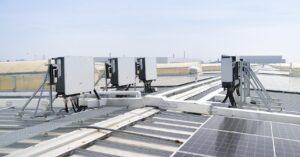
- Consumers install approved solar photovoltaic (PV) systems.
- Electricity generated is first used within the premises.
- Any excess electricity not consumed is exported to the local distribution network.
- Smart meters record both imported and exported electricity.
- The exported energy is credited or compensated according to NERC-approved rates.
This model differs from traditional electricity consumption, where customers only purchase power from the grid. It transforms consumers into active participants in Nigeria’s electricity market.
Benefits for Solar Users
- Faster Return on Solar Investment
One of the biggest challenges facing solar adoption in Nigeria has been the high upfront cost of installation. By allowing users to monetise excess electricity generation, the new regulation improves the return on investment for solar systems.
- Reduced Electricity Costs
Consumers can significantly lower their electricity bills by generating their own power while receiving credits for surplus energy exported to the grid.
- Additional Income Opportunity
Commercial facilities, schools, factories, shopping malls, and large residential estates with sizeable solar installations can potentially generate additional revenue from excess electricity production.
- Improved Energy Security
The regulation encourages distributed energy generation, reducing dependence on centralised power plants and increasing resilience across the electricity network.
Impact on Nigeria’s Solar Industry
The Net Billing Regulation is expected to accelerate solar adoption across Nigeria. The country has already experienced rapid growth in solar deployment due to rising electricity tariffs, unreliable grid supply, and increasing demand for alternative energy solutions. NERC noted that solar energy adoption has expanded significantly in recent years, with millions of solar panels imported into Nigeria and substantial growth in renewable energy installations.
Industry experts believe the new framework could stimulate:
- Increased demand for solar panels and inverters.
- Growth in solar installation businesses.
- Job creation within the renewable energy sector.
- Greater investment in distributed energy resources.
- Expansion of clean energy infrastructure nationwide.
What This Means for DisCos
The regulation also benefits electricity Distribution Companies. NERC has previously encouraged DisCos to source part of their energy requirements from embedded and renewable generation sources. By purchasing excess electricity from solar users, DisCos can improve energy availability within their networks while reducing transmission constraints.
This creates a more decentralised electricity ecosystem where power generation occurs closer to the point of consumption.
Challenges That Must Be Addressed
While the policy is promising, successful implementation will require:
- Advanced Metering Infrastructure
- Accurate bidirectional meters are necessary to record electricity imports and exports.
- Grid Modernization
- Distribution networks must be upgraded to accommodate reverse power safely flows from distributed solar systems.
- Technical Standards and Compliance
- Solar installations must comply with grid connection standards to maintain system stability and safety.
- Consumer Awareness
Many Nigerians remain unfamiliar with concepts such as net billing, net metering, and distributed generation. Public education will be crucial for widespread adoption.
Opportunities for Businesses
The regulation presents significant opportunities for:
- Manufacturing companies
- Commercial buildings
- Educational institutions
- Hospitals
- Industrial parks
- Residential estates
Organisations with large rooftop spaces can deploy solar systems not only to reduce operating costs but also to create value from excess electricity.
The Future of Renewable Energy in Nigeria
The Net Billing Regulation 2026 signals a major shift in Nigeria’s electricity market. Rather than viewing consumers solely as electricity buyers, the regulation recognises them as contributors to national energy generation.
As renewable energy technologies become more affordable and electricity demand continues to rise, policies such as this could accelerate Nigeria’s journey toward a more sustainable, resilient, and decentralised power sector.
Conclusion
NERC’s decision to allow solar users to sell excess electricity back to DisCos is one of the most significant renewable energy policy developments in Nigeria in recent years. The Net Billing Regulation 2026 creates new opportunities for homeowners, businesses, and institutions to maximise the value of their solar investments while contributing to the national energy supply.
If effectively implemented, the policy could drive increased solar adoption, attract investment into renewable energy, improve grid reliability, and help Nigeria move closer to its clean energy goals.
As Nigeria embraces a future powered by distributed energy resources, solar users are no longer just consumers—they are now energy producers with a direct role in powering the nation’s growth.