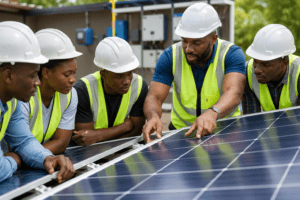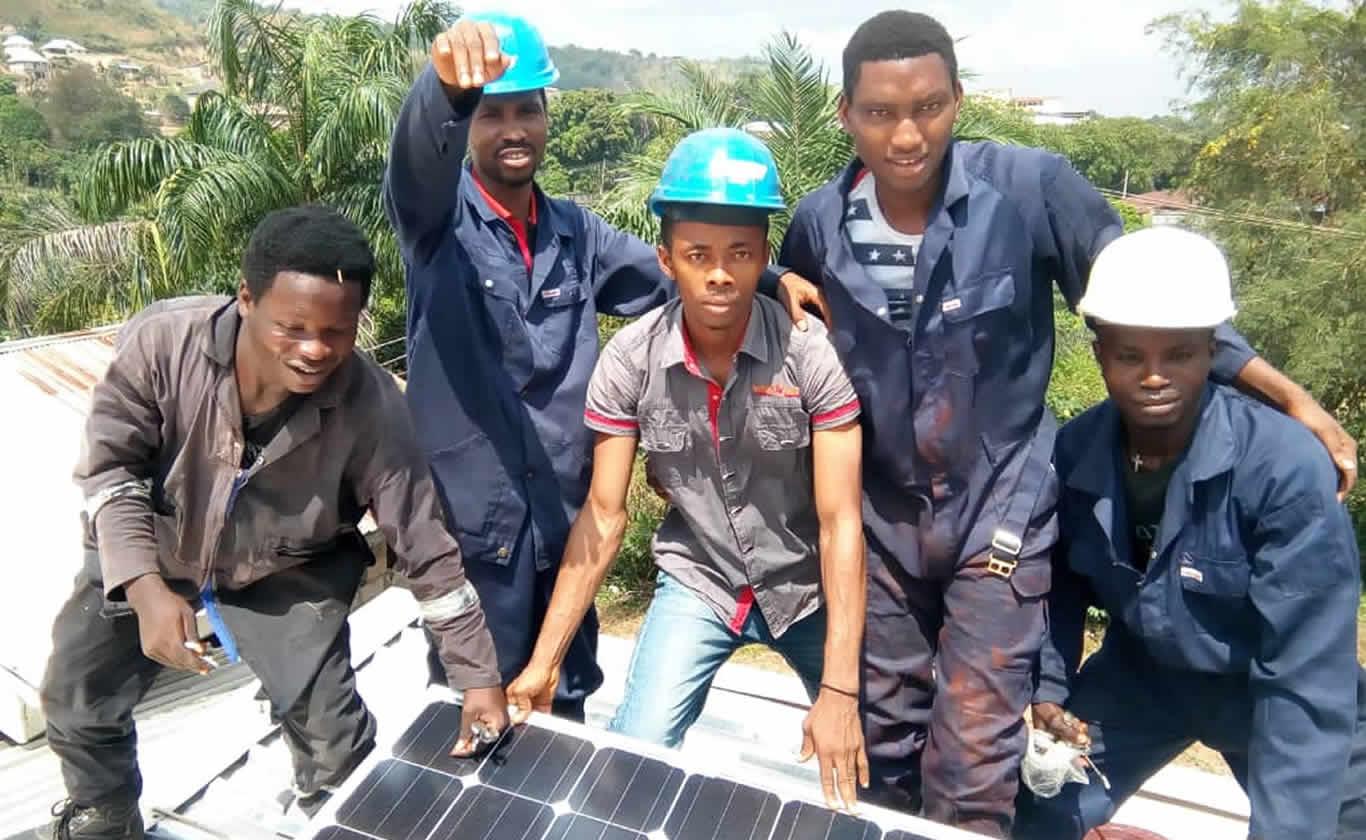
As Nigeria’s solar industry grows rapidly, the demand for skilled professionals is becoming just as important as the demand for solar panels and batteries. Households, businesses, factories, schools, hospitals, and farms are increasingly adopting solar energy to reduce electricity costs and improve power reliability. However, the long-term success of this transition depends on having well-trained technicians, installers, designers, and project managers who can deliver safe, efficient, and durable systems.
Professional training in solar and renewable energy is no longer optional. It is a critical investment in Nigeria’s energy future.
The Rapid Growth of Nigeria’s Solar Market
Nigeria has one of the largest potential solar markets in Africa. Rising electricity demand, grid instability, fuel costs, and the need for energy access in underserved communities have accelerated the adoption of solar solutions. The market is expanding across:
- Residential solar systems
- Commercial and industrial (C&I) installations
- Mini-grids and rural electrification projects
- Agricultural solar applications
- Telecom and infrastructure power systems
As the market grows, the industry requires professionals who understand system design, installation standards, safety procedures, maintenance, and performance optimisation.
Why Professional Solar Training Matters
1. Safety First
Solar systems involve electricity, batteries, inverters, and sometimes high-voltage equipment. Poor installation can lead to:
- Electrical shocks
- Fires
- Battery hazards
- Equipment damage
- Injury to workers and users
Professional training teaches proper electrical practices, lockout procedures, personal protective equipment (PPE) use, grounding, and compliance with safety standards. A trained workforce significantly reduces the risk of accidents.
2. Better System Performance
A solar installation is only as good as its design and execution. Trained professionals understand:
- Load assessment
- System sizing
- Battery selection
- Inverter matching
- Energy yield calculations
- Shading analysis
Correct design improves efficiency, extends equipment life, and ensures customers get the expected performance from their investment.
3. Reducing Project Failures
One of the biggest challenges in emerging solar markets is the presence of poorly installed systems that fail prematurely. Common issues include undersized cables, incorrect battery configuration, inadequate protection devices, and poor mounting structures.
Training helps installers avoid these mistakes, reducing warranty claims, maintenance costs, and customer dissatisfaction.
4. Building Consumer Trust
As more Nigerians invest in solar, trust becomes a competitive advantage. Customers are more likely to choose companies that employ certified and well-trained professionals. Quality installations lead to positive referrals, stronger reputations, and repeat business.
In a growing industry, professionalism separates sustainable businesses from short-term operators.
Creating Skilled Jobs
Solar and renewable energy training creates employment opportunities for:
- Installers and technicians
- Electrical engineers
- System designers
- Maintenance specialists
- Sales and energy advisors
- Project managers
As the industry expands, skilled workers will be needed across urban and rural markets.
Supporting Local Industry Development
A trained workforce enables Nigeria to develop stronger local solar businesses instead of relying entirely on external expertise. Local capacity building encourages entrepreneurship, innovation, and long-term industry growth.
Attracting Investment
Investors and development partners prefer markets with competent technical capacity. A strong pool of trained professionals increases confidence in project execution, maintenance, and operational reliability.
This can help attract financing for larger renewable energy projects across Nigeria.
What Should Solar Professionals Learn?
A comprehensive training program should cover:
- Solar PV fundamentals
- Electrical safety
- System design and sizing
- Battery technologies
- Inverter and charge controller configuration
- Installation best practices
- Troubleshooting and maintenance
- Codes, standards, and compliance
- Project documentation
- Customer communication and support
Both technical skills and professional skills are important for delivering successful projects.
The Role of Certification and Continuous Learning
The solar industry evolves quickly. New battery technologies, hybrid systems, energy management tools, and installation standards continue to emerge. Professionals who pursue recognised training and ongoing education are better positioned to remain competitive.
Continuous learning helps technicians adapt to new technologies and maintain high-quality service standards.
Conclusion
Nigeria’s solar market is entering a critical growth phase. The opportunity is enormous, but sustainable growth depends on quality, safety, and professionalism. Investing in solar and renewable energy training creates safer installations, better-performing systems, stronger businesses, skilled jobs, and greater investor confidence.
For individuals, training opens doors to a fast-growing industry. For companies, it improves project outcomes and customer trust. For Nigeria, it builds the technical foundation needed to accelerate the country’s transition to reliable, affordable, and sustainable energy.
As solar adoption expands across the country, professional training will be one of the most important drivers of long-term success in Nigeria’s renewable energy sector.
Enrol in the PV Master Class for Free
As Nigeria’s solar industry continues to expand, the demand for qualified and certified professionals has never been greater. Whether you are an electrician, engineer, technician, entrepreneur, student, or renewable energy enthusiast, investing in professional solar training can position you for exciting opportunities in one of Africa’s fastest-growing industries.
Outbrand Consulting is committed to developing the next generation of solar professionals through its PV Master Class Training Program. Participants gain practical knowledge in solar PV system design, installation, safety, troubleshooting, and industry best practices from experienced professionals.
Why Join the PV Master Class?
- Free professional solar training
- Hands-on industry-focused learning
- Learn solar PV design and installation best practices
- Improve your employability and business opportunities
- Network with industry professionals and leading solar companies
- Receive a professional certificate upon successful completion
Earn an Industry-Endorsed Certificate
Participants who complete the training will receive a Professional Certificate endorsed by the Renewable Energy Association of Nigeria (REAN) and leading solar industry brands, providing added credibility and recognition within the renewable energy sector.
Register Today
Take the next step in your solar career and become part of Nigeria’s clean energy future.
Email: hello@outbrandconsulting.com
Website: www.outbrandconsulting.com
Phone/WhatsApp: +234 802 215 5947