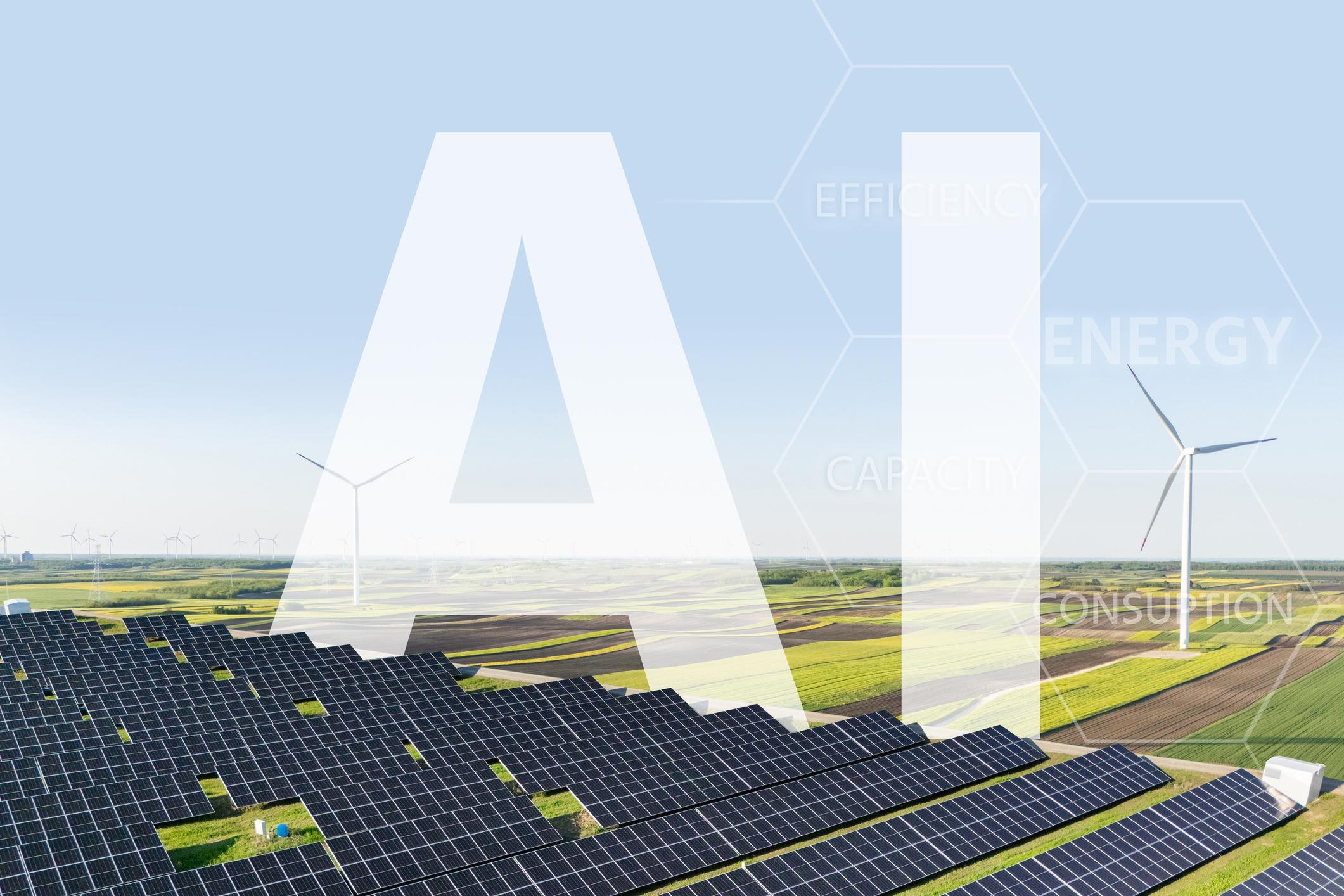
The global solar industry is entering a new era powered by Artificial Intelligence (AI). From smart energy forecasting to predictive maintenance and automated solar system management, AI is helping solar companies improve efficiency, reduce operational costs, and accelerate renewable energy adoption worldwide.
As countries like Nigeria continue investing in renewable energy infrastructure, AI-driven solar technologies are becoming critical for solving energy challenges, improving grid reliability, and maximising solar power generation.
In 2026, the integration of AI into the solar sector is no longer optional — it is rapidly becoming the industry standard.
The Growing Role of AI in the Solar Industry
Artificial Intelligence refers to computer systems capable of analysing data, learning patterns, and making decisions with minimal human intervention. In the solar energy sector, AI is being used to optimise nearly every stage of the energy value chain.
These include:
- Solar panel performance monitoring
- Energy consumption forecasting
- Smart grid management
- Predictive equipment maintenance
- Automated energy storage optimization
- Solar site selection and design
By combining AI with solar technology, energy providers can improve efficiency while reducing downtime and maintenance costs.
AI-Powered Predictive Maintenance
One of the biggest challenges in the solar industry is system downtime caused by equipment failure or poor maintenance. Traditionally, solar plants relied on routine inspections, which can be costly and time-consuming.
AI-powered predictive maintenance changes this completely.
Using sensors, machine learning algorithms, and real-time monitoring systems, AI can detect abnormalities before failures occur. This allows operators to fix problems early, reducing downtime and extending the lifespan of solar equipment.
Benefits include:
- Reduced maintenance costs
- Improved solar panel efficiency
- Early fault detection
- Increased operational lifespan
- Better return on investment (ROI)
Large-scale solar farms across Africa and other emerging markets are increasingly adopting predictive analytics to improve energy reliability.
Smart Energy Forecasting and Demand Prediction
Solar energy production depends heavily on weather conditions. AI systems can analyse historical weather patterns, satellite data, cloud movement, and energy consumption trends to accurately predict solar generation levels.
This helps energy companies:
- Balance the electricity supply and demand
- Reduce energy waste
- Improve grid stability
- Optimise battery storage usage
- Increase power reliability
AI forecasting tools are becoming especially valuable in regions with unstable electricity infrastructure, including several African markets.
AI Is Improving Solar Panel Efficiency
Modern AI systems can monitor solar panel performance in real time and identify underperforming modules instantly.
Machine learning algorithms analyse variables such as:
- Temperature
- Dust accumulation
- Sunlight intensity
- Shading
- Energy output levels
By processing this data continuously, AI software can recommend adjustments that improve overall system efficiency.
Some advanced AI-driven solar tracking systems can even reposition solar panels automatically to maximise sunlight exposure throughout the day.
AI and Smart Solar Grids
The future of energy lies in smart grids — intelligent electricity networks capable of managing power distribution efficiently.
AI plays a major role in enabling smart solar grids by:
- Detecting grid faults instantly
- Managing decentralised energy systems
- Integrating renewable energy sources
- Preventing power overloads
- Improving electricity distribution efficiency
As solar adoption increases globally, AI-powered grids will become essential for maintaining stable and reliable power systems.
AI Is Accelerating Solar Investment Decisions
Investors are increasingly using AI-driven analytics to evaluate solar energy projects.
AI tools can analyse:
- Market trends
- Energy demand growth
- Geographic solar potential
- Financial risks
- Regulatory conditions
- Climate data
This enables investors to make faster and more accurate decisions when financing solar projects.
In emerging markets like Nigeria, AI is helping identify underserved regions with high solar potential, creating new investment opportunities across residential, commercial, and industrial sectors.
AI and Battery Storage Optimisation
Battery storage is critical for solving solar energy intermittency problems. AI systems can intelligently manage battery charging and discharging cycles based on energy demand patterns.
This leads to:
- Better energy storage efficiency
- Reduced energy losses
- Lower electricity costs
- Improved backup power reliability
AI-powered battery management systems are becoming increasingly important as solar-plus-storage solutions expand globally.
Challenges of AI Adoption in the Solar Industry
Despite its advantages, AI adoption in the solar sector still faces several challenges:
High Initial Investment
AI infrastructure, software integration, and smart monitoring systems can require significant upfront capital.
Data Quality Issues
AI systems depend heavily on accurate data. Poor-quality or incomplete datasets can reduce system performance.
Cybersecurity Risks
As solar systems become more connected, cybersecurity threats may increase.
Technical Skill Gaps
Many developing markets still lack enough AI and renewable energy specialists.
However, as technology becomes more affordable and accessible, these barriers are expected to decrease over time.
The Future of AI in Solar Energy
The future of the solar industry will be increasingly data-driven, automated, and intelligent.
Emerging AI innovations expected to shape the industry include:
- Autonomous solar farms
- AI-powered energy trading
- Smart decentralized microgrids
- Advanced robotic solar cleaning systems
- Real-time carbon footprint monitoring
- AI-driven renewable energy financing
As global demand for clean energy continues rising, AI will play a major role in improving solar accessibility, affordability, and efficiency.
Conclusion
Artificial Intelligence is revolutionising the solar industry by making renewable energy systems smarter, more efficient, and more reliable. From predictive maintenance and smart forecasting to intelligent grid management and investment analysis, AI is transforming how solar energy is produced, distributed, and managed.
For emerging economies like Nigeria, the combination of AI and solar technology presents enormous opportunities for economic growth, energy access, and sustainable development.
Businesses, investors, and governments that embrace AI-powered solar innovation today are likely to lead the renewable energy transition in the years ahead.