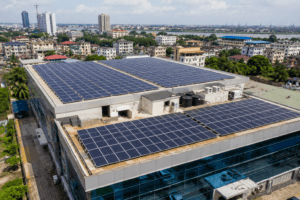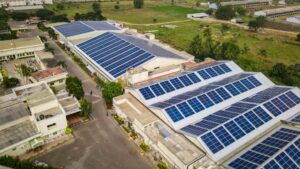
Nigeria’s solar industry is rapidly becoming one of Africa’s most attractive renewable energy investment sectors. With rising electricity demand, unstable grid infrastructure, increasing fuel prices, and growing awareness of clean energy, the country presents significant opportunities for investors looking to enter the solar market.
As businesses and households continue searching for reliable power alternatives, solar energy adoption is accelerating across residential, commercial, industrial, and utility-scale sectors.
However, while the opportunities are substantial, understanding the market dynamics, risks, technology trends, and investment structure is critical for long-term success.
In this article, we explore what investors should consider before entering Nigeria’s solar industry in 2026 and provide valuable insights into the future of the renewable energy market.
Why Nigeria’s Solar Market Is Growing Fast
Nigeria has one of the largest energy access gaps in the world. Millions of homes and businesses still face unreliable electricity supply, leading to heavy dependence on diesel and petrol generators.
Several factors are driving the rapid growth of solar energy in Nigeria:
- Rising fuel and diesel costs
- Frequent grid failures
- Growing urbanization
- Increased demand for energy independence
- Falling solar equipment prices
- Government support for renewable energy
This combination has created strong demand for solar systems across multiple sectors.
Key Areas of Opportunity in Nigeria’s Solar Industry
1. Residential Solar Systems
Residential solar adoption is growing rapidly in urban cities such as Lagos, Abuja, Port Harcourt, and Kano.
Middle-income and high-income households are increasingly investing in:
- Hybrid solar systems
- Lithium battery storage
- Smart inverters
- Rooftop solar installations
The residential market remains one of the fastest-growing sectors in Nigeria’s solar ecosystem. 2
2. Commercial & Industrial Solar (C&I)
Commercial and industrial solar is currently one of the most profitable segments in the Nigerian renewable energy market.
Businesses are aggressively reducing operational costs caused by diesel generators and unstable electricity supply.
Industries investing heavily in solar include:
- Manufacturing
- Hospitality
- Retail
- Banking
- Telecommunications
- Warehousing
- Healthcare
Large-scale commercial solar projects now offer strong long-term returns for investors and EPC companies.
3. Solar Battery Storage
Battery storage has become one of the biggest trends in Nigeria’s solar industry.
As energy demand increases, more consumers are prioritising:
- Long backup hours
- Energy reliability
- Off-grid capability
Lithium battery technologies, especially LiFePO4 batteries, are dominating the market because of their:
- Longer lifespan
- Faster charging
- Higher efficiency
- Lower maintenance
Investing in energy storage solutions is expected to become increasingly profitable over the next few years.
4. Mini-Grids & Rural Electrification
Millions of Nigerians in rural communities still lack access to reliable electricity.
Mini-grid solar projects provide major investment opportunities through:
- Community electrification
- Agricultural processing
- Rural healthcare centres
- Schools and educational institutions
International development agencies and government-backed renewable energy initiatives continue supporting off-grid solar expansion in underserved regions.
5. Solar Financing & Pay-As-You-Go (PAYGo)
One of the biggest barriers to solar adoption in Nigeria is affordability.
As a result, solar financing and PAYGo models are gaining popularity.
This sector presents opportunities for:
- Fintech companies
- Solar leasing businesses
- Energy financing startups
- Microfinance institutions
Flexible payment models are helping more households and small businesses transition to solar energy.
Important Factors to Consider Before Investing
1. Market Demand & Customer Segment
Before investing, identify your target market:
- Residential customers
- SMEs
- Large corporations
- Government projects
- Rural communities
Different segments require different pricing structures, technologies, and financing models.
Understanding customer pain points is essential for building a sustainable solar business.
2. Quality of Solar Products
The Nigerian market contains both premium and low-quality solar products.
Investors should prioritise trusted brands with:
- International certifications
- Reliable warranties
- Proven performance
- Local technical support
Low-quality equipment may reduce customer trust and increase maintenance costs.
3. Technical Expertise & Installation Capacity
A successful solar business depends heavily on proper installation and system design.
Investors should ensure access to:
- Qualified engineers
- Certified installers
- Technical training
- Maintenance support
Poor installation remains one of the biggest challenges affecting system performance in Nigeria.
4. Currency Exchange & Import Costs
Most solar equipment used in Nigeria is imported.
Currency fluctuations and import duties can significantly affect:
- Pricing
- Profit margins
- Equipment availability
Investors should build flexible pricing models to manage exchange-rate volatility.
5. Government Policies & Regulation
Renewable energy policies continue evolving in Nigeria.
Investors should monitor:
- Import regulations
- Renewable energy incentives
- Mini-grid policies
- Tax structures
- Energy transition frameworks
Understanding regulatory developments helps reduce operational risks.
Major Trends Shaping Nigeria’s Solar Industry in 2026
AI & Smart Energy Management
Artificial Intelligence is improving solar monitoring, battery optimisation, and predictive maintenance.
Smart solar systems are becoming increasingly popular among commercial users seeking energy efficiency and operational control.
Hybrid Solar Systems
Hybrid systems combining:
- Solar panels
- Battery storage
- Generator integration
are becoming the preferred energy solution for Nigerian businesses and estates.
Lithium Battery Dominance
Lithium batteries are replacing traditional lead-acid batteries because of their:
- Higher efficiency
- Longer cycle life
- Better energy density
- Reduced maintenance
This trend is expected to continue dominating the market.
Commercial Solar Expansion
Large businesses are increasingly investing in captive solar systems to reduce dependence on diesel generators.
Commercial and industrial solar projects are projected to remain one of the strongest growth drivers in the sector.
Challenges Investors Should Expect
Despite strong growth potential, the Nigerian solar market still faces several challenges:
- Currency instability
- High import costs
- Counterfeit products
- Limited financing access
- Technical skill gaps
- Policy uncertainty
However, many investors still consider the long-term opportunities stronger than the short-term risks.
Insights: Where the Biggest Opportunities Exist
Strongest Growth Areas in 2026
- Lithium battery storage
- Commercial & industrial solar
- Smart energy systems
- Solar financing platforms
- Mini-grid infrastructure
- Energy-as-a-Service models
Fastest Growing Customer Segments
- SMEs
- Estates & gated communities
- Manufacturing companies
- Telecom infrastructure
- Hospitality sector
Is Nigeria’s Solar Industry Worth Investing In?
Yes. Nigeria remains one of Africa’s largest untapped renewable energy markets.
The country’s:
- Large population
- Growing energy demand
- Weak grid infrastructure
- Rising fuel costs
create strong long-term opportunities for solar investors, manufacturers, EPC companies, financiers, and renewable energy startups.
Businesses that focus on quality products, technical expertise, financing innovation, and customer support are likely to succeed in the evolving energy market.
Conclusion
Nigeria’s solar industry is entering a major growth phase in 2026. Rising electricity challenges and increasing energy costs are accelerating demand for reliable renewable energy solutions across residential, commercial, and industrial sectors.
For investors, the solar market presents significant opportunities in battery storage, commercial solar, mini-grids, smart energy management, and financing solutions.
However, success requires careful planning, quality products, strong technical expertise, and a deep understanding of the Nigerian energy landscape.
As renewable energy adoption continues expanding, the Nigerian solar industry is expected to become one of the most important clean energy markets in Africa.