Nigeria’s commercial and industrial energy landscape is changing rapidly.
From factories and warehouses to telecom towers and shopping malls, businesses are increasingly abandoning diesel generators and investing in Commercial & Industrial (C&I) solar systems.
What was once considered an alternative energy solution has now become a strategic business necessity.
In 2026, C&I solar is no longer just about sustainability — it is about survival, profitability, and energy independence.
What Is a C&I Solar System?
A Commercial & Industrial (C&I) solar system is a large-scale solar energy solution designed specifically for businesses and industrial operations.
Unlike residential solar systems, C&I installations are built to power:
- Manufacturing facilities
- Hotels
- Hospitals
- Office complexes
- Telecom infrastructure
- Warehouses
- Agricultural processing plants
- Shopping malls
- Logistics hubs
These systems often combine:
- Solar panels
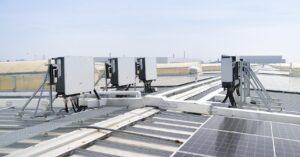
- Hybrid inverters
- Lithium battery storage
- Energy management systems
- Grid or generator integration
The goal is simple: reduce energy costs while improving operational reliability.
Why C&I Solar Is Trending in Nigeria Right Now
Several major factors are accelerating the rise of commercial solar adoption across Nigeria.
1. Rising Diesel Prices Are Crushing Businesses
Diesel prices in Nigeria have surged dramatically, making generator-powered operations extremely expensive for businesses. Reports show many companies are now turning to solar because diesel-generated electricity has become unsustainable.
For many factories and commercial facilities, energy now represents one of the largest operational expenses.
Solar offers a long-term solution with predictable energy costs.
2. Grid Instability Is Forcing Companies to Seek Alternatives
Unstable electricity supply continues to affect productivity across Nigeria.
Businesses can no longer depend solely on the national grid for critical operations.
As a result, commercial solar systems with battery storage are becoming the preferred backup and primary power solution.
Reports indicate Nigeria’s commercial solar market has reached a major tipping point in 2026 due to unreliable grid supply and soaring energy costs.
3. Battery Storage Is Becoming More Affordable
One of the biggest trends driving C&I solar growth is the rapid drop in battery prices.
Lithium battery storage systems are now more efficient, longer-lasting, and increasingly affordable for commercial applications.
This makes solar + storage systems far more attractive for businesses seeking an uninterrupted power supply.
4. Faster Return on Investment (ROI)
Businesses are now seeing faster payback periods on solar investments.
Industry reports show that many commercial solar projects in Africa now achieve ROI within 3–5 years due to rising electricity costs and falling solar technology prices.
For industrial operators, solar is increasingly viewed as a financial investment rather than just an energy upgrade. ending C&I Solar Applications in Nigeria in 2026
Hybrid Solar Systems for Manufacturing Plants
Factories are rapidly adopting hybrid solar systems to reduce diesel dependence and stabilise operations during grid outages.
Industrial solar projects are accelerating across Nigeria as manufacturers seek cheaper and more reliable power solutions.
Solar-Powered Telecom Towers
Telecommunication companies are increasingly replacing diesel-powered towers with solar-powered systems to cut operating costs.
Across Africa, telecom operators are investing heavily in solar and hybrid energy systems due to rising diesel expenses and long-term cost savings.
Solar for Warehouses and Logistics
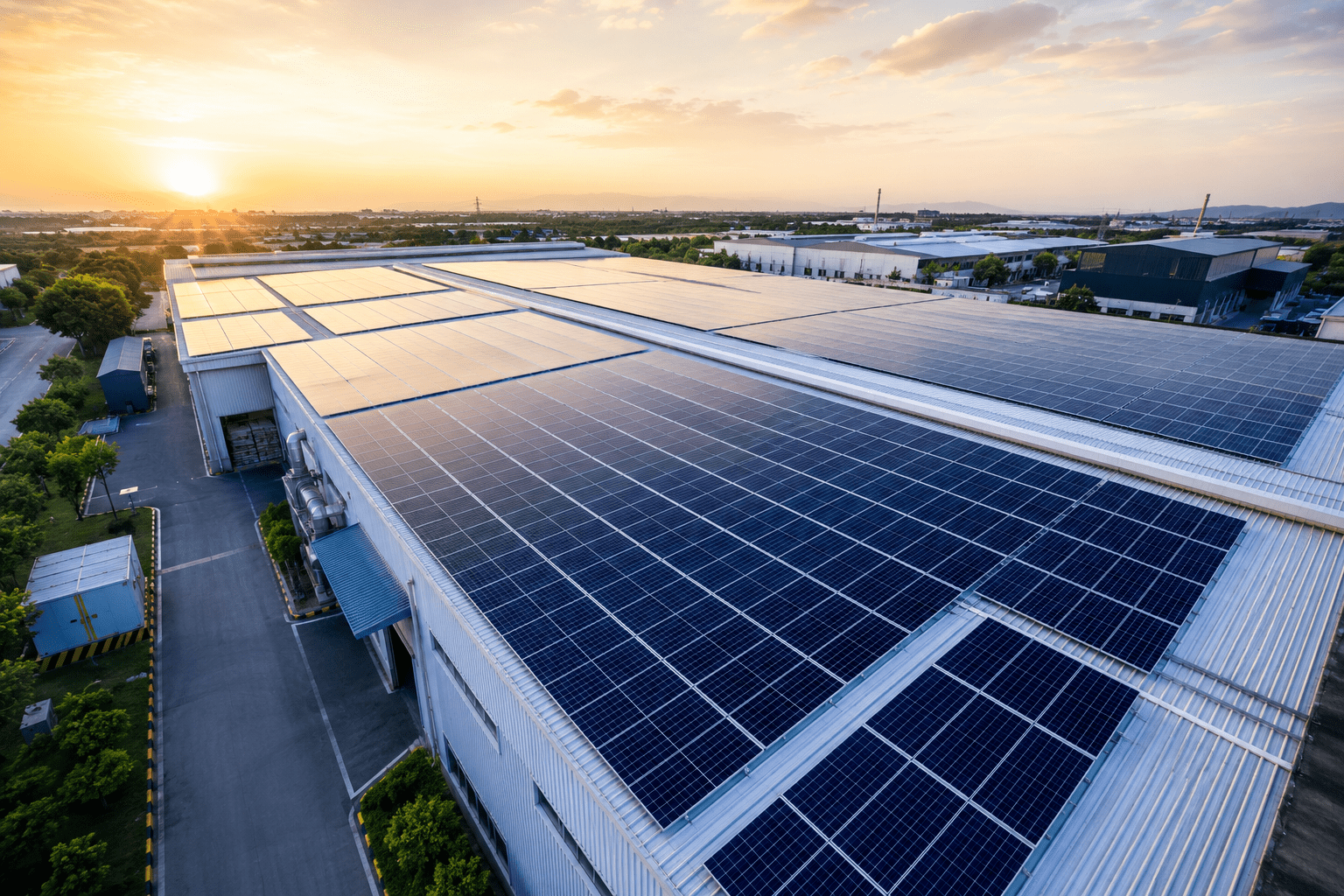
Logistics hubs and warehouses are becoming major adopters of rooftop solar systems due to increasing power demands and operational costs.
The rise of industrial infrastructure and data-driven logistics across Africa is also increasing demand for stable energy systems.
Solar + Storage for Data Centres
Nigeria’s growing digital economy is driving increased demand for reliable power infrastructure.
Data centres cannot afford outages, making solar + battery systems an attractive solution for energy resilience and operational continuity.
Why Investors Are Paying Attention to Nigeria’s C&I Solar Market
Nigeria is emerging as one of Africa’s fastest-growing solar markets.
Recent industry reports show Nigeria became Africa’s second-largest solar installer in 2025, following significant growth in distributed solar systems.
This growth is attracting:
- EPC companies
- Renewable energy investors
- Battery manufacturers
- Development finance institutions
- Commercial banks
- International solar brands
The market opportunity is massive because millions of Nigerian businesses still depend heavily on generators.
Key Challenges Facing C&I Solar Growth
Despite the momentum, the sector still faces important challenges.
Financing Barriers
Many businesses still struggle with high upfront installation costs.
This is why financing models like:
- Solar leasing
- Power Purchase Agreements (PPAs)
- Energy-as-a-Service
- Pay-as-you-go systems
Substandard Solar Products
Poor-quality equipment and unqualified installers continue to damage market confidence.
Businesses are now prioritising trusted EPC providers and certified solar products to avoid costly failures.
Regulatory Uncertainty
Industry experts warn that policy uncertainty and financing instability could slow long-term solar growth if not properly addressed.
The Future of C&I Solar in Nigeria
The future of commercial solar in Nigeria looks extremely strong.
Africa recorded its fastest solar growth in 2025, with installations rising by 54% year-on-year, driven largely by distributed solar systems and increasing business demand for reliable energy.
In Nigeria specifically, the combination of:
- Rising fuel prices
- Unstable electricity supply
- Falling battery costs
- Increasing solar awareness
- Growing financing options
will continue accelerating C&I solar adoption across every major industry.
Conclusion
Nigeria’s energy transition is no longer a future conversation — it is happening now.
C&I solar systems are becoming the new backbone of industrial productivity, business continuity, and long-term energy security.
The companies that invest early in solar infrastructure today will gain a major competitive advantage in the years ahead.