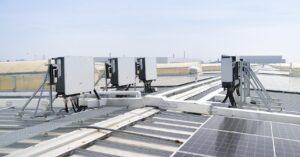
The solar industry is entering one of the most exciting periods in its history. Rapid advancements in technology are making solar power more efficient, affordable, and accessible than ever before. From artificial intelligence and next-generation solar panels to smart batteries and green hydrogen production, innovation is accelerating the global transition to clean energy.
For homeowners, businesses, investors, and policymakers, understanding these emerging technologies is essential. The companies and countries that embrace these innovations today will be best positioned to benefit from the energy economy of tomorrow.
Here are ten solar innovations that could change the energy industry forever.
1. Perovskite Solar Panels
Perovskite solar cells are widely regarded as the next breakthrough in solar technology. Unlike traditional silicon panels, they can be manufactured at lower costs while delivering higher energy conversion efficiencies.
Key advantages include:
- Higher efficiency potential
- Lower manufacturing costs
- Lightweight construction
- Flexible applications
Industry experts believe perovskite technology could significantly reduce the cost of solar energy over the next decade.
2. AI-Powered Solar Energy Management
Artificial Intelligence is transforming how solar systems operate. AI-driven platforms can predict energy production, monitor performance in real time, identify faults, and optimise energy consumption.
Benefits include:
- Improved system efficiency
- Reduced maintenance costs
- Better energy forecasting
- Higher return on investment
AI is rapidly becoming a critical component of modern solar installations.
3. Bifacial Solar Panels
Bifacial solar modules generate electricity from both sides of the panel, allowing them to capture reflected sunlight from surrounding surfaces.
Benefits include:
- Increased energy production
- Better performance in large-scale installations
- Improved project economics
- Enhanced long-term value
As costs continue to decline, bifacial technology is becoming the preferred choice for utility-scale solar projects.
4. Smart Solar Batteries
The latest generation of energy storage systems is smarter, safer, and more efficient.
Modern solar batteries now offer:
- Intelligent energy management
- Faster charging cycles
- Longer lifespan
- Remote monitoring capabilities
These innovations allow homes and businesses to maximise self-consumption and reduce dependence on unstable grids.
5. Building-Integrated Solar Technology (BIPV)
Solar technology is no longer limited to rooftops. Building-Integrated Photovoltaics enable solar cells to be embedded directly into building materials such as glass facades, roof tiles, and walls.
This innovation combines functionality and aesthetics, transforming buildings into clean-energy generators.
6. Floating Solar Farms
Floating solar systems are installed on reservoirs, lakes, and other water bodies.
Advantages include:
- Reduced land use requirements
- Improved panel cooling
- Higher energy efficiency
- Reduced water evaporation
Floating solar projects are becoming increasingly popular in regions where land availability is limited.
7. Solar-Powered EV Charging Infrastructure
The rise of electric vehicles is creating new opportunities for solar energy integration.
Solar-powered charging stations help:
- Reduce charging costs
- Lower carbon emissions
- Improve energy independence
- Support sustainable transportation
This combination is expected to play a major role in the future of mobility.
8. Advanced Solar Tracking Systems
Modern tracking systems use sensors, weather data, and machine learning to follow the sun throughout the day.
Benefits include:
- Increased electricity generation
- Improved system performance
- Higher project profitability
Large-scale solar farms are increasingly adopting smart tracking technologies to maximise output.
9. Digital Twin Technology
Digital twins create virtual models of solar installations that mirror real-world performance.
This allows operators to:
- Monitor assets remotely
- Predict maintenance needs
- Improve operational efficiency
- Reduce downtime
Digital twins are quickly becoming a valuable tool for utility-scale solar operators.
10. Green Hydrogen Powered by Solar Energy
Green hydrogen is emerging as one of the most promising solutions for decarbonising industries that are difficult to electrify.
Solar energy can power electrolysers that produce hydrogen from water without carbon emissions.
Potential applications include:
- Industrial manufacturing
- Heavy transportation
- Long-term energy storage
- Grid stabilization
As costs decline, solar-powered hydrogen production could become a cornerstone of the global clean energy economy.
What This Means for Nigeria
Nigeria possesses some of the world’s most abundant solar resources. As demand for reliable electricity continues to grow, these innovations offer significant opportunities for businesses, communities, and investors.
Organisations that invest in advanced solar technologies today will be better positioned to thrive in the future energy landscape.
Conclusion
The future of energy is being shaped by innovation. These ten solar technologies are not just improving renewable energy—they are redefining how electricity is generated, stored, managed, and consumed.
As technology continues to advance, solar power is becoming smarter, more efficient, and more accessible. The result is a cleaner, more resilient energy future that benefits businesses, communities, and entire nations.