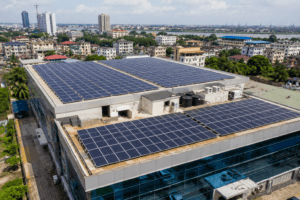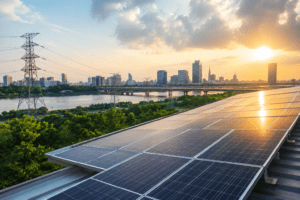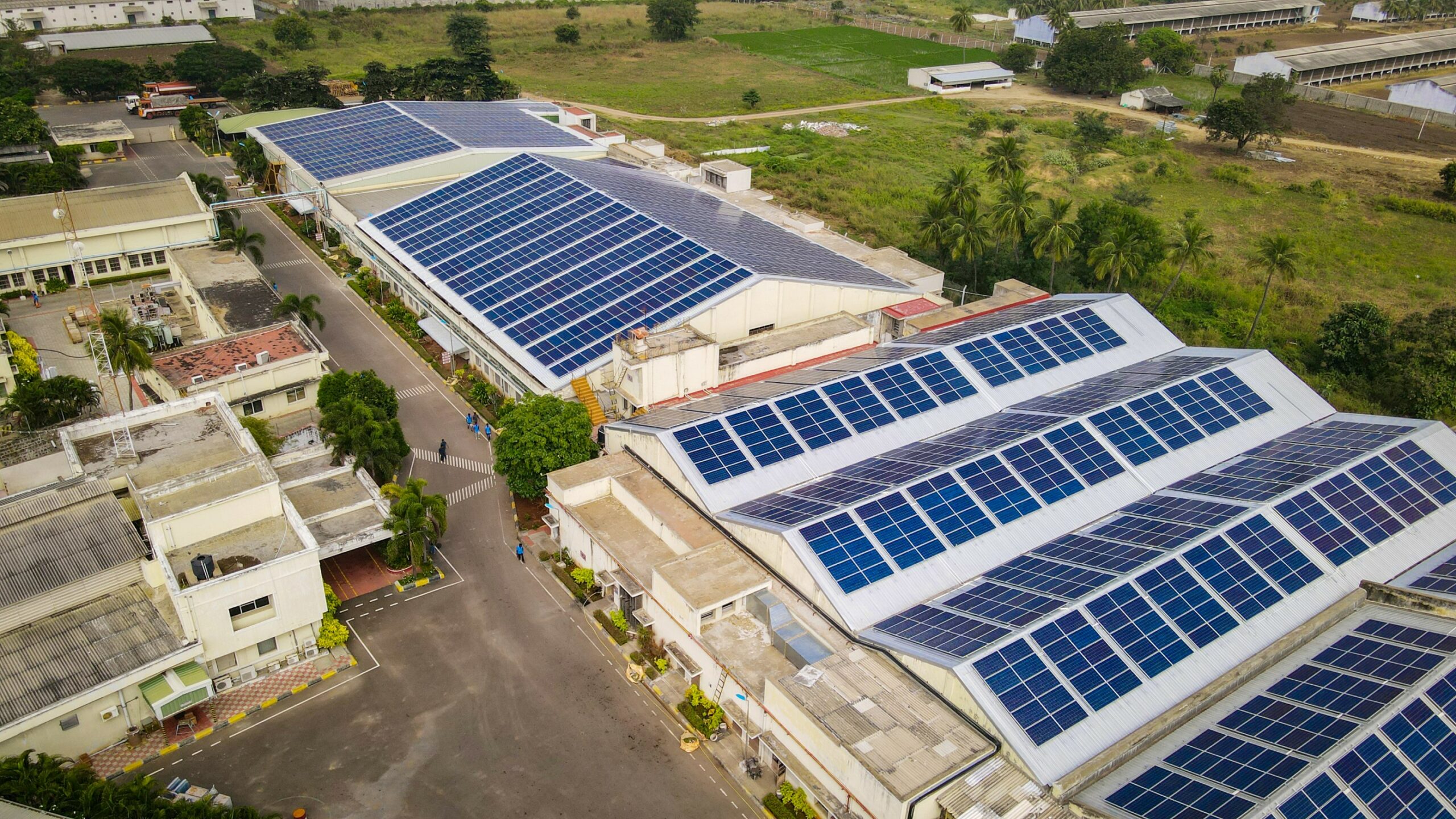
Nigeria’s energy landscape is changing rapidly. As Africa’s most populous nation continues to battle inconsistent grid electricity, rising fuel costs, and increasing industrial energy demands, solar power is no longer viewed as an alternative — it is becoming a necessity.
For global solar brands, 2026 represents a critical entry window into one of the continent’s fastest-growing renewable energy markets. The convergence of government interest, private-sector adoption, rising consumer awareness, and declining solar technology costs is creating significant opportunities for manufacturers, distributors, EPC companies, and energy investors.
Nigeria’s Energy Crisis Is Fueling Solar Demand
Nigeria generates far less electricity than its population and industries require. Despite having over 200 million people, the national grid performance remains unstable, forcing businesses and households to rely heavily on diesel and petrol generators.
This dependence on generators has become increasingly unsustainable due to:
- Rising fuel prices
- Foreign exchange volatility
- High maintenance costs
- Environmental concerns
- Frequent fuel scarcity
As a result, solar energy is emerging as the most practical and scalable energy solution across residential, commercial, and industrial sectors.
Businesses are now prioritising energy independence. Schools, hospitals, estates, telecom operators, factories, hotels, and retail chains are aggressively transitioning toward hybrid and full-solar systems to reduce operational costs and improve reliability.
Why 2026 Is a Turning Point
Several factors make 2026 a defining year for Nigeria’s solar industry.
1. Increased Commercial Adoption
Large businesses are moving beyond pilot projects and making long-term investments in solar infrastructure. Warehouses, malls, manufacturing plants, and corporate offices are adopting solar systems as part of operational cost optimisation strategies.
This shift is particularly strong in sectors where uninterrupted power directly affects revenue and productivity.
2. Growth of Solar Financing Models
One of the biggest barriers to solar adoption has historically been the upfront cost. However, financing innovation is changing the market rapidly.
Flexible payment structures such as:
- Solar leasing
- Pay-as-you-go systems
- Energy-as-a-Service (EaaS)
- Installment financing
- Power Purchase Agreements (PPAs)
We are making solar more accessible to both consumers and businesses.
Global brands entering Nigeria in 2026 will benefit from partnering with local financing providers and fintech companies that understand regional purchasing behaviours.
3. Expanding Renewable Energy Awareness
Consumer perception has evolved significantly. Solar is no longer seen as a luxury product reserved for high-income households.
Middle-income consumers are increasingly recognising solar as:
“A long-term financial investment rather than an expensive backup option.”
This mindset shift is accelerating adoption in urban and semi-urban areas across the country.
Key Opportunities for Global Solar Brands
Nigeria presents multiple layers of opportunity beyond simply selling solar panels.
Solar Panels and Component Supply
Demand for high-efficiency solar panels continues to rise, particularly for products designed for tropical weather conditions and unstable power environments.
There is also growing demand for:
- Lithium battery systems
- Hybrid inverters
- Energy storage solutions
- Smart monitoring systems
- Industrial-grade solar infrastructure
Brands that can provide durability, warranty confidence, and after-sales support will gain stronger market trust.
Local Distribution Partnerships
Nigeria’s market is relationship-driven. Foreign brands that succeed often do so through strategic partnerships with:
- Local distributors
- Installers
- EPC contractors
- Renewable energy developers
Building a strong local distribution network remains one of the fastest ways to scale nationally.
Commercial and Industrial Solar Projects
The commercial and industrial (C&I) sector is expected to dominate Nigeria’s solar growth between 2026 and 2030.
Industries seeking cost reduction and operational stability are increasingly investing in:
- Factory solar systems
- Agricultural solar solutions
- Cold storage energy systems
- Solar-powered telecom infrastructure
- Mini-grid solutions
Global brands with scalable B2B solutions are positioned for long-term growth.
Challenges Brands Must Understand
Despite the opportunities, Nigeria’s solar market also presents operational realities that global companies must prepare for.
Importation and Currency Volatility
Exchange rate fluctuations can affect pricing consistency and profitability. Brands entering the market need strong pricing strategies and local operational planning.
Quality Control Issues
The Nigerian market has experienced an influx of substandard solar products, leading to trust concerns among buyers.
Brands that emphasise:
- Product authenticity
- Technical certifications
- Strong warranties
- Installer education
- Reliable customer support
will stand out more effectively.
Technical Skill Gaps
While the industry is growing rapidly, there is still a shortage of highly trained solar technicians in certain regions.
Companies that invest in installer training programs and technical support networks will strengthen long-term market penetration.
Government Policies and Renewable Energy Push
Nigeria’s renewable energy sector continues to receive attention from policymakers and development organisations seeking to improve electricity access.
Although policy implementation can be inconsistent, there is growing institutional support for:
- Renewable energy investment
- Mini-grid expansion
- Rural electrification
- Sustainable infrastructure development
International development agencies and climate-focused investors are also increasing funding opportunities within the sector.
This broader ecosystem creates favourable conditions for global participation.
What Winning Solar Brands Will Do Differently in 2026
The next generation of successful solar companies in Nigeria will not simply compete on price.
They will compete on:
- Trust
- Reliability
- Technical support
- Brand positioning
- Financing accessibility
- Distribution efficiency
Global brands that localise their operations, understand Nigerian consumer behaviour, and build long-term partnerships will gain significant advantages over competitors focused only on short-term sales.
The Future of Nigeria’s Solar Economy
Nigeria is no longer an emerging solar market — it is becoming a strategic renewable energy powerhouse in Africa.
The country’s energy challenges, combined with rapid urbanisation and growing industrial activity, make solar energy one of the most scalable infrastructure opportunities of the decade.
For global brands, 2026 is not simply a year to observe the Nigerian market. It is a year to establish presence, build relationships, and position for long-term expansion.
Companies that move early, invest strategically, and adapt locally will likely define the next phase of Africa’s renewable energy transformation.