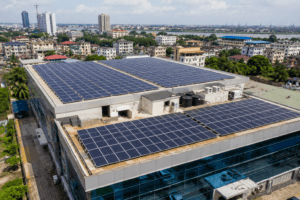
EV Business Opportunities in Nigeria. Nigeria’s electric vehicle (EV) market is opening the door to one of the most exciting business opportunities in the country’s transportation and energy sectors.
While many people focus on electric cars themselves, the real money may lie in the supporting ecosystem. Just as petrol stations, mechanics and financing companies grew alongside conventional vehicles, a new generation of businesses is emerging to support electric mobility.
Charging stations, battery-swapping networks, fleet electrification services, financing, software, and maintenance are set to become essential components of Nigeria’s EV economy.
For entrepreneurs, investors, solar companies, fuel station operators and corporate organisations, the question is no longer whether electric vehicles will gain traction. The real question is who will move first and build the infrastructure that powers this transformation.
Companies such as Jet Motor Company, Siltech World, MAX, NEV Electric and Powerlink Renewable Energy Solutions are already helping shape Nigeria’s electric mobility ecosystem.
Why EV Infrastructure Is a Bigger Opportunity Than Selling Vehicles
Vehicle sales may generate headlines, but recurring revenue often comes from infrastructure and services.
Every electric vehicle needs:
- Reliable charging
- Battery support
- Maintenance
- Software
- Financing
- Technical expertise
This creates long-term demand for businesses that provide these services.
1. EV Charging Stations in Nigeria
Charging stations are expected to become one of the most profitable segments of the EV market.
Ideal Locations for Charging Hubs
- Shopping malls
- Hotels
- Fuel stations
- Corporate offices
- Universities
- Residential estates
- Highway rest stops
Revenue Opportunities
Charging operators can earn from:
- Pay-per-use charging
- Membership plans
- Fleet contracts
- Advertising
- Convenience retail sales
Solar-Powered Charging Infrastructure
By integrating solar and battery storage, operators can reduce electricity costs and improve uptime. Powerlink Renewable Energy Solutions supports businesses with solar-powered charging systems designed for commercial and industrial use.
2. Battery Swapping Services
Battery swapping is particularly attractive for electric motorcycles and tricycles used in delivery and public transport.
Instead of waiting to recharge, riders exchange depleted batteries for fully charged ones within minutes.
Why Battery Swapping Works
- Faster turnaround
- Higher vehicle utilization
- Predictable subscription revenue
- Reduced downtime
Companies like MAX are helping demonstrate the viability of this model.
3. Fleet Electrification Services
Corporate organisations, logistics firms and government agencies are evaluating how to replace petrol-powered fleets with EVs.
This creates demand for:
- Feasibility studies
- Vehicle selection
- Charging system design
- Cost-benefit analysis
- Implementation support
4. EV Financing and Leasing
High upfront costs remain a barrier for many buyers.
Banks, fintech companies and leasing firms can create:
- Vehicle loans
- Battery financing
- Lease-to-own plans
- Subscription models
Flexible financing will be critical to accelerating adoption.
5. EV Maintenance and Technical Training
As more EVs enter the market, there will be a strong demand for trained technicians.
Business opportunities include:
- Specialised repair centres
- Certification programs
- Training academies
- Spare parts distribution
6. Charging Management Software
Digital platforms will be essential for:
- Payment processing
- Station monitoring
- User authentication
- Usage analytics
- Fleet management
Technology startups can build scalable software solutions for the growing charging network.
7. Solar and Energy Storage Integration
Renewable energy companies can package:
- Solar panels
- Battery storage
- Smart inverters
- EV chargers
This creates an integrated solution that lowers charging costs and improves reliability.
Who Should Invest in Nigeria’s EV Market?
The opportunity is relevant to:
- Entrepreneurs and startups
- Solar EPC companies
- Fuel station operators
- Real estate developers
- Logistics companies
- Financial institutions
- Government agencies
Challenges That Create Opportunity
Nigeria’s EV market still faces:
- Limited charging infrastructure
- Low public awareness
- Financing constraints
- Technical skills shortages
Each challenge represents a business opportunity for companies that provide practical solutions.
Conclusion
Nigeria’s electric mobility market is creating far more than a vehicle sales opportunity. Charging stations, battery swapping, fleet electrification, financing and software services are emerging as scalable and profitable business models.