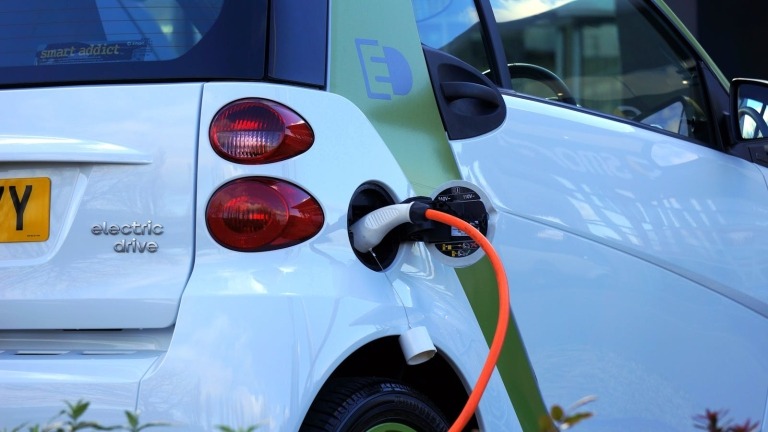
With the emerging EV Adoption in Nigeria. Electric vehicles (EVs) are no longer a futuristic concept in Nigeria. They are rapidly becoming one of the most important developments in the country’s transportation and energy sectors.
What began as a niche conversation among clean energy advocates is now attracting the attention of automakers, logistics companies, ride-hailing operators, renewable energy firms and investors. Rising fuel prices, expanding solar adoption and growing demand for cost-effective transportation are creating the ideal conditions for electric mobility to thrive.
More importantly, EV adoption in Nigeria is creating opportunities that go far beyond vehicle sales. Charging infrastructure, battery swapping, financing, fleet electrification and software services are emerging as high-growth business segments.
A growing ecosystem of companies, including Jet Motor Company, Siltech World, MAX, NEV Electric, Stallion Group and Powerlink Renewable Energy Solutions, is helping to build the foundation for Nigeria’s electric mobility revolution.
Why EV Adoption in Nigeria Is Gaining Momentum
Rising Fuel Prices Are Changing the Economics of Transportation
The removal of fuel subsidies has significantly increased the cost of operating petrol and diesel vehicles. Fleet operators and commercial transport businesses are actively seeking alternatives that offer lower and more predictable operating costs.
Electric vehicles provide a compelling solution because they can dramatically reduce both fuel and maintenance expenses.
Solar Energy Makes Charging More Practical
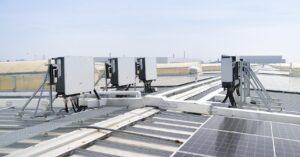
Nigeria’s abundant sunshine creates a strong case for solar-powered charging infrastructure. Businesses can combine solar panels, battery storage and EV chargers to reduce dependence on the national grid and diesel generators.
This integration makes electric mobility more reliable and financially attractive.
Growth in Logistics and Ride-Hailing
The rapid expansion of e-commerce and delivery services has increased demand for efficient transportation. EVs are particularly well-suited to vehicles that travel predictable daily routes and consume significant amounts of fuel.
Environmental and Policy Drivers
Government agencies and private investors are increasingly interested in cleaner transportation, local assembly and energy security, all of which support EV adoption.
Major Players Driving Nigeria’s EV Market
Nigeria’s electric mobility ecosystem is being built by a diverse group of innovators.
Jet Motor Company
A Nigerian manufacturer focused on local assembly and electric vehicle development.
Siltech World
Provides electric mobility products and renewable energy solutions.
MAX
One of Africa’s leading mobility companies, deploying electric motorcycles for commercial use.
NEV Electric
Offers EV sales, charging and related solutions in Nigeria.
Stallion Group
A major automotive and assembly company with the capacity to support local EV manufacturing.
Powerlink Renewable Energy Solutions
Provides solar-powered EV charging infrastructure and energy systems for commercial and industrial clients.
Together, these companies are helping to build the vehicles, infrastructure and technical capabilities required for large-scale EV adoption.
Business Opportunities Created by EV Adoption
The most significant opportunities lie in the supporting ecosystem.
EV Charging Stations
Public and private charging terminals are expected to become a critical part of Nigeria’s transportation infrastructure.
Solar-Powered Charging Hubs
Solar-integrated charging stations can deliver lower energy costs and greater reliability.
Battery Swapping Services
Ideal for motorcycles and tricycles where rapid turnaround is essential.
Fleet Electrification Consulting
Organisations need support in transitioning from petrol-powered fleets to EVs.
Financing and Leasing
Flexible payment models can help overcome high upfront vehicle costs.
Technical Training and Maintenance
Demand for skilled EV technicians will continue to rise.
Charging Management Software
Software for payments, monitoring and analytics will become increasingly important.
Challenges That Present Opportunities
While the market is promising, challenges remain:
- Limited charging infrastructure
- High initial vehicle costs
- Low consumer awareness
- Financing constraints
- Evolving regulations
For entrepreneurs and investors, these gaps represent valuable opportunities to provide solutions.
Outlook for 2026 and Beyond
Over the next decade, EV adoption in Nigeria is expected to accelerate significantly, especially in:
- Logistics and delivery fleets
- Ride-hailing services
- Public transportation
- Corporate fleets
- Two- and three-wheel transport
As battery prices fall and charging networks expand, EVs will become more affordable and widely adopted.
Conclusion
EV adoption in Nigeria is creating one of the most exciting opportunities in the country’s transportation and energy sectors. The market is being driven by a growing ecosystem of manufacturers, mobility startups and renewable energy providers.
For investors, entrepreneurs and organisations, the opportunity extends far beyond electric vehicles themselves. Charging infrastructure, battery services, financing and solar integration are poised for substantial growth.
Businesses that act early will be best positioned to benefit from Nigeria’s transition to electric mobility.