Nigeria’s solar industry is entering a defining era. As energy demand rises, grid instability persists, and diesel costs continue to climb, businesses and households are rapidly turning to solar energy as a reliable alternative.
But behind every successful solar project are two critical forces working together: Engineering, Procurement, and Construction (EPC) companies and funding solutions.
Without strong EPC execution, solar projects fail. Without financing, most projects never begin.
Together, EPC and funding are becoming the backbone of Nigeria’s renewable energy transformation.
Understanding EPC in the Solar Industry
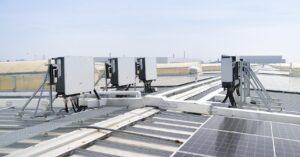
An EPC company handles the complete delivery of a solar energy project from start to finish. This includes:
- System design and engineering
- Procurement of solar equipment
- Installation and construction
- Testing and commissioning
- Maintenance and technical support
In simple terms, EPC firms are responsible for turning solar concepts into operational energy systems.
In Nigeria, EPC companies play a major role in ensuring that solar installations are properly designed for local weather conditions, energy demands, and infrastructure realities.
Why EPC Companies Matter More Than Ever in Nigeria
The Nigerian solar market is growing rapidly, but so are concerns around poor installations, fake products, and underperforming systems.
This is where experienced EPC companies become essential.
Key Benefits of Professional EPC Services
1. Quality Assurance
Reliable EPC firms use certified products and follow international installation standards, reducing the risk of system failure.
2. Project Efficiency
From procurement to deployment, EPC companies streamline execution and reduce costly delays.
3. Technical Expertise
Solar systems require proper load analysis, battery sizing, inverter selection, and energy optimisation. EPC firms provide the expertise needed for long-term performance.
4. Scalability
Whether for residential, commercial, industrial, or utility-scale projects, EPC companies make solar expansion possible.
The Funding Challenge Slowing Solar Adoption in Nigeria
Despite growing interest in renewable energy, affordability remains one of the biggest barriers to solar adoption in Nigeria.
Many businesses understand the long-term savings of solar energy but struggle with high upfront costs.
This is why funding is now becoming just as important as technology itself.
How Solar Financing Is Changing the Industry
Innovative financing models are helping more Nigerians access solar power without paying massive upfront costs.
Popular Funding Models in Nigeria’s Solar Market
1. Pay-As-You-Go (PAYG)
Customers make small periodic payments instead of paying the full installation cost at once.
This model is helping rural communities and low-income households access electricity.
2. Lease-to-Own Solutions
Businesses can use solar systems while gradually paying over time.
3. Commercial Solar Loans
Banks and financial institutions are beginning to support renewable energy financing for SMEs and industries.
4. Public-Private Partnerships
Government agencies and private investors are collaborating on mini-grid and large-scale renewable energy projects.
Why EPC and Funding Must Work Together
A solar project succeeds when technical delivery and financial accessibility align.
Funding alone cannot guarantee project success if installation quality is poor.
Likewise, even the best EPC companies cannot scale projects if customers lack access to financing.
This partnership between EPC providers and funding institutions is creating a more sustainable solar ecosystem in Nigeria.
The Rising Demand for Commercial and Industrial Solar Projects
In 2026, more Nigerian businesses are investing in solar to reduce operational costs and protect themselves from fuel price volatility.
Industries such as:
- Manufacturing
- Telecommunications
- Healthcare
- Agriculture
- Real estate
- Logistics
are increasingly adopting solar-powered systems.
Commercial and industrial clients now demand EPC companies that can also provide financing partnerships or flexible payment solutions.
This trend is reshaping how solar companies compete in the market.
Investor Confidence Depends on Strong EPC Delivery
International investors and development finance institutions are paying closer attention to Nigeria’s renewable energy sector.
However, investor confidence depends heavily on:
- Technical reliability
- Project transparency
- Quality installation standards
- Long-term maintenance capability
Strong EPC firms help reduce investment risks while improving project bankability.
This is critical for attracting large-scale renewable energy investments into Nigeria and across Africa.
The Future of Solar Growth in Nigeria
Nigeria’s renewable energy future will depend on how effectively the industry solves two major problems:
- Technical execution
- Financial accessibility
The companies that combine strong EPC expertise with innovative financing models will dominate the next phase of solar expansion.
As energy demand continues to rise, EPC and funding partnerships will become the true engines driving sustainable energy growth across Nigeria.
Conclusion
Nigeria’s solar industry is no longer just about selling panels and inverters.
The future belongs to companies that can engineer reliable systems, secure financing, and deliver long-term energy value.
EPC and funding are no longer separate conversations — they are now inseparable pillars of renewable energy success.
For Nigeria to achieve widespread clean energy adoption, industry stakeholders, financial institutions, EPC providers, and policymakers must continue building stronger collaborations that make solar energy both reliable and affordable.