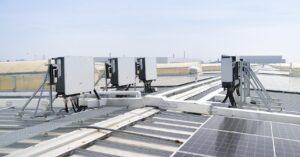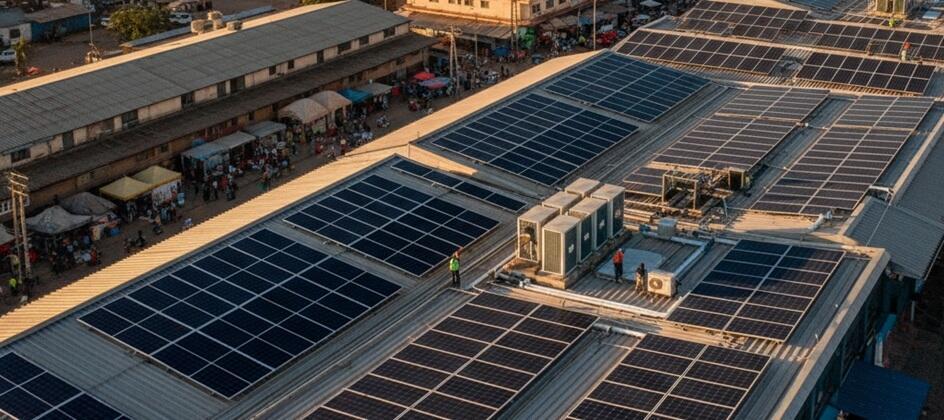
Nigeria’s solar industry is entering a defining era. As electricity costs continue to rise, grid instability persists, and businesses seek alternative power solutions, solar energy has become one of the fastest-growing sectors in the country. Yet despite the increasing demand, one major factor will determine whether the industry experiences sustainable growth or long-term decline: consumer trust.
Across Nigeria, many households and businesses are willing to invest in solar solutions. However, repeated experiences with substandard products, fake warranties, poor installations, and unprofessional service providers have created scepticism in the market. In 2026, trust is no longer optional; it is the foundation upon which the future of the Nigerian solar industry will be built.
Why Consumer Trust Matters More Than Ever
Nigeria’s solar market has expanded rapidly over the last decade. From residential systems to commercial installations and mini-grid projects, the sector is attracting investors, distributors, EPC companies, and international manufacturers.
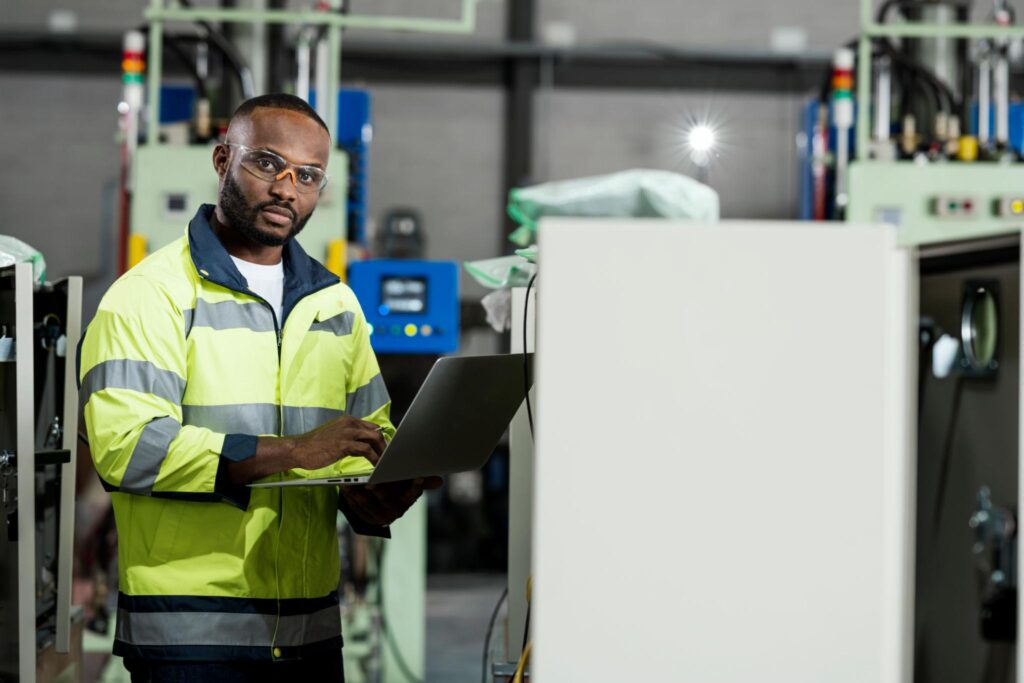
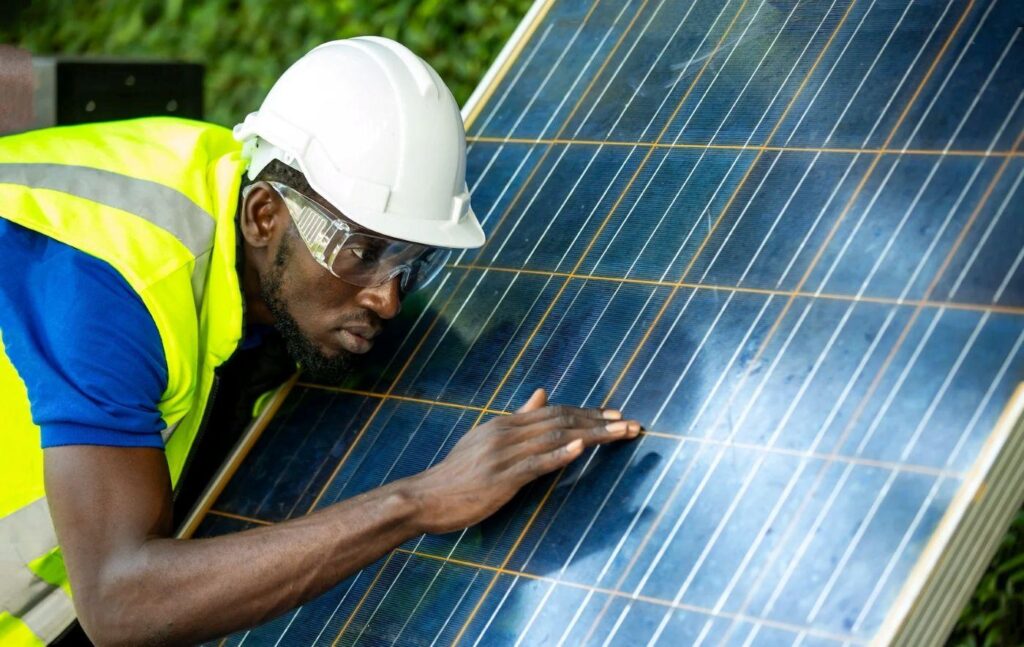
However, rapid growth without proper quality control creates serious challenges:
- Fake or low-quality solar panels are flooding the market
- Batteries with exaggerated performance claims
- Inexperienced installers are damaging systems
- Lack of after-sales support
- Misleading marketing and unrealistic promises
When consumers lose confidence in solar solutions, the entire industry suffers. Referrals decline, investment slows, and adoption rates drop.
Trust drives:
- Customer referrals
- Repeat business
- Long-term investment
- Brand reputation
- Market stability
- Industry growth
Without trust, even the best technologies struggle to gain widespread acceptance.
The Rise of Substandard Solar Products in Nigeria
One of the biggest threats to Nigeria’s renewable energy future is the increasing circulation of substandard solar products.
Many consumers are unable to distinguish between genuine and fake products because counterfeit equipment often looks identical to premium brands. Unfortunately, these products fail quickly, perform poorly, and damage consumer confidence.
Common problems include:
- Fake lithium batteries
- Low-efficiency solar panels
- Inverters with inaccurate specifications
- Poorly manufactured mounting structures
- Unsafe electrical components
When a customer spends significant money on a solar system that stops working within months, they may never trust solar energy again.
This is why quality assurance is becoming one of the most important conversations in Nigeria’s energy sector.
Transparency Is Becoming a Competitive Advantage
In 2026, successful solar companies in Nigeria are no longer competing on price alone. They are competing on credibility.
Customers now ask important questions such as:
- Is the warranty genuine?
- Who handles after-sales support?
- Are the products certified?
- What happens if the inverter fails?
- Is the battery truly Grade A?
- Can the installer provide references?
Companies that provide transparent answers build stronger customer relationships and long-term loyalty.
Transparency includes:
- Clear product specifications
- Honest system sizing
- Realistic performance expectations
- Authentic warranty documentation
- Professional installation standards
- Responsive customer support
Consumers are increasingly choosing trusted brands over the cheapest options because reliability matters more than short-term savings.
As the market matures, consumers are becoming more aware of the importance of working with qualified and experienced solar professionals.
Warranties and After-Sales Support Build Long-Term Confidence
One of the strongest indicators of trust in the solar industry is after-sales service.
Many consumers complain that installers disappear after completing projects. Others discover that their “warranty” is not backed by any official manufacturer support.
Strong after-sales service includes:
- Technical support
- Maintenance services
- Genuine warranty claims
- Product replacement procedures
- System monitoring
- Customer education
Companies that remain accessible after installation build lasting credibility in the market.
In a competitive industry, customer experience is becoming just as important as product quality.
Conclusion
The future of Nigeria’s solar industry is not determined only by technology, investment, or government policy. It is determined by trust.
Consumers want reliable systems that work, honest companies that deliver on promises, and professionals who stand behind their products and services.
In 2026 and beyond, the solar companies that build trust will build the future.