The Rise of Solar Mini-Grids in Rural Nigeria
Nigeria’s electricity crisis has remained one of the country’s biggest developmental challenges for decades. Millions of homes, businesses, schools, and healthcare facilities across rural communities still lack reliable access to electricity.
While urban areas struggle with unstable power supply, many rural communities remain completely disconnected from the national grid. This energy gap has slowed economic growth, limited educational opportunities, affected healthcare delivery, and increased poverty levels in underserved regions.
However, a major transformation is now taking place across Nigeria’s renewable energy sector — the rapid rise of solar mini-grids.
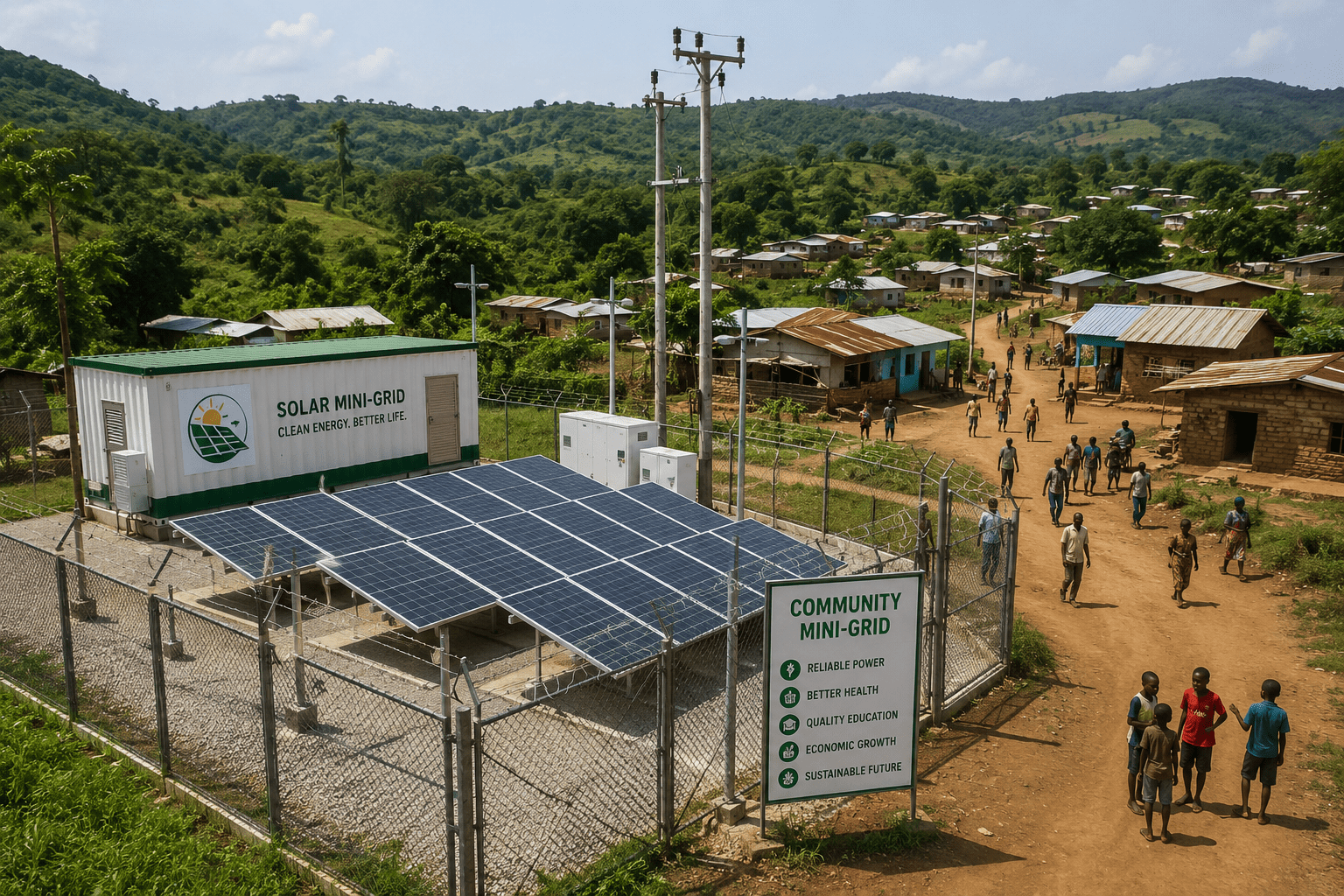
Solar mini-grids are emerging as one of the most effective solutions for rural electrification in Nigeria. These decentralised renewable energy systems are bringing reliable electricity to communities that have waited years for a grid connection.
Today, solar mini-grids are not only powering homes; they are powering businesses, healthcare, education, agriculture, and economic development across rural Nigeria.
What Are Solar Mini-Grids?
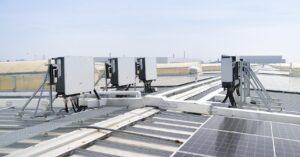
Solar mini-grids are localised electricity generation and distribution systems powered mainly by solar energy and supported by battery storage systems.
Unlike standalone solar home systems that serve individual households, mini-grids generate electricity for entire communities or clusters of businesses.
A typical solar mini-grid system includes:
- Solar panels
- Battery storage systems
- Inverters
- Distribution lines
- Smart metering systems
These systems can supply electricity to:
- Homes
- Markets
- Schools
- Hospitals
- Religious centers
- Farms
- Small businesses
- Community water systems
Mini-grids can operate independently or alongside the national grid where available.
Why Solar Mini-Grids Are Growing Rapidly in Nigeria
1. Millions of Nigerians Lack Electricity Access
Nigeria still has one of the world’s largest electricity access deficits. According to industry estimates, over 85 million Nigerians do not have access to reliable electricity.
Extending the national grid to every rural community is expensive, slow, and technically challenging. Solar mini-grids provide a faster and more practical alternative.
Instead of waiting years for transmission infrastructure, communities can receive electricity within months through decentralised renewable energy systems.
2. Solar Technology Has Become More Affordable
Over the last decade, global prices for solar panels and lithium batteries have dropped significantly.
This price reduction has made mini-grid projects more commercially viable for developers, investors, and government agencies.
Improved battery storage technology also allows mini-grids to provide electricity during nighttime and cloudy weather conditions.
3. Rising Fuel Costs Are Increasing Generator Dependence
Many rural businesses depend heavily on petrol and diesel generators for electricity.
However, rising fuel prices in Nigeria have made generators increasingly unsustainable for small businesses and households.
Solar mini-grids eliminate the constant cost of fuel while reducing maintenance expenses and environmental pollution.
For many rural communities, renewable energy is now more affordable than generator power.
4. Government and International Support
The Nigerian government has increased support for off-grid renewable energy solutions through various electrification initiatives.
Programs led by the Rural Electrification Agency (REA), development banks, and international organisations are driving mini-grid deployment across the country.
Nigeria recently announced major investments aimed at expanding renewable energy access through mini-grid infrastructure projects.
International organisations such as the World Bank and African Development Bank have also funded several rural electrification projects focused on renewable energy expansion.
The Economic Impact of Solar Mini-Grids
The rise of mini-grids is doing far more than simply providing electricity. These systems are becoming catalysts for economic transformation in rural Nigeria.
Boosting Small Businesses
Reliable electricity allows local businesses to operate longer hours and improve productivity.
Mini-grid-powered communities now support:
- Barbing salons
- Cold rooms
- Welding workshops
- Tailoring businesses
- Restaurants
- Retail stores
- ICT centers
Business owners no longer spend heavily on generator fuel, enabling them to increase profits and expand operations.
Improving Healthcare Services
Many rural healthcare centres previously lacked reliable electricity for essential medical operations.
Solar mini-grids now help power:
- Vaccine refrigeration
- Maternity wards
- Medical equipment
- Emergency lighting
- Water supply systems
Reliable electricity significantly improves healthcare delivery in underserved communities.
Supporting Education
Schools connected to mini-grids can now operate more effectively with:
- Lighting for evening classes
- Computer laboratories
- Internet access
- Digital learning tools
Students can also study at night, improving educational outcomes in rural communities.
Agricultural Development
Agriculture remains a major economic activity across rural Nigeria.
Mini-grids are helping farmers by powering:
- Irrigation systems
- Food processing equipment
- Cold storage facilities
- Water pumps
Reliable electricity reduces post-harvest losses and improves food preservation.
The Environmental Benefits of Solar Mini-Grids
Solar mini-grids contribute significantly to environmental sustainability.
Compared to generators and fossil fuel systems, solar energy:
- Produces no harmful emissions
- Reduces air pollution
- Lowers carbon emissions
- Reduces noise pollution
- Supports climate goals
As Nigeria faces increasing climate challenges, renewable energy adoption is becoming increasingly important.
The Role of Private Investors and EPC Companies
The growth of Nigeria’s mini-grid market has created major opportunities for:
- Solar EPC companies
- Renewable energy investors
- Battery manufacturers
- Inverter suppliers
- Engineering firms
- Energy financing companies
Private-sector participation is accelerating mini-grid deployment nationwide.
Many companies now specialise in rural electrification projects, offering complete design, engineering, procurement, and installation services.
Challenges Facing Solar Mini-Grids in Nigeria
Despite significant growth, the sector still faces important challenges.
Financing Limitations
Mini-grid projects require substantial upfront investment.
Access to affordable financing remains one of the biggest barriers facing developers and rural communities, due to currency Fluctuations
Nigeria’s dependence on imported solar equipment exposes developers to foreign exchange volatility.
Currency instability increases project costs and affects profitability.
Regulatory and Policy Challenges
Although progress has been made, some developers still face regulatory bottlenecks, licensing issues, and policy uncertainty.
Clear and stable regulations are essential for long-term industry growth.
Low Consumer Awareness
Some rural communities still have a limited understanding of renewable energy systems.
Consumer education is necessary to improve adoption and ensure proper system maintenance.
The Future of Solar Mini-Grids in Nigeria
The future of solar mini-grids in Nigeria remains extremely promising.
Several trends are expected to drive further growth:
- Falling battery prices
- Increased renewable energy investments
- Government electrification programs
- Expansion of lithium battery adoption
- Increased private-sector participation
- Smart energy management technology
Experts believe mini-grids will play a critical role in helping Nigeria achieve universal electricity access over the next decade.
As energy demand continues to rise, decentralised renewable energy systems will become increasingly important to Nigeria’s economic future.
Why Trust and Quality Matter
As the mini-grid sector expands, quality assurance becomes critical.
Communities need:
- Reliable solar panels
- High-quality batteries
- Professional installation
- Long-term maintenance support
- Trusted EPC partners
Poor-quality installations can damage public trust in renewable energy solutions.
Companies that prioritise quality, technical expertise, and after-sales support will become long-term leaders in Nigeria’s renewable energy market.
Conclusion
The rise of solar mini-grids in rural Nigeria represents one of the country’s most important renewable energy developments.
These systems are not only solving electricity problems — they are creating economic opportunities, improving healthcare, supporting education, empowering businesses, and transforming entire communities.
For Nigeria to achieve sustainable economic growth and universal energy access, solar mini-grids will remain a critical part of the solution.