Top solar technology innovations transforming Nigeria’s energy future. Nigeria’s energy sector is experiencing a major transformation as solar technology innovation continues to reshape how homes, businesses, and industries access electricity. With rising fuel prices, unstable grid supply, and increasing demand for sustainable energy, solar power has become one of the most reliable alternatives for energy generation in the country.
Today, advanced solar technologies are making renewable energy more efficient, affordable, and accessible across Nigeria. From smart inverters to lithium battery storage systems, these innovations are driving a cleaner and more sustainable energy future.
The Growing Demand for Solar Energy in Nigeria
Nigeria faces significant electricity challenges that affect businesses, households, healthcare facilities, schools, and industries. Frequent power outages and the high cost of running fuel generators have accelerated the demand for solar energy solutions.
Several factors are contributing to the rapid adoption of solar technology in Nigeria:
- Increasing electricity costs
- Rising fuel prices
- Growing awareness of renewable energy
- Demand for an uninterrupted power supply
- Expansion of smart energy systems
- Improved affordability of solar components
As more Nigerians seek reliable power alternatives, solar technology is becoming a critical part of the country’s energy future.
High-Efficiency Solar Panels
One of the biggest innovations in the solar industry is the development of high-efficiency solar panels. Modern photovoltaic (PV) panels now produce more electricity while occupying less space.
Benefits of High-Efficiency Solar Panels
- Higher energy output
- Better performance during cloudy weather
- Longer lifespan
- Reduced installation space
- Improved return on investment
Monocrystalline solar panels are currently among the most efficient solar technologies available in Nigeria today.
Lithium Battery Storage Systems
Battery storage technology has significantly improved in recent years. Lithium batteries are now replacing traditional lead-acid batteries because they provide better performance, durability, and energy efficiency.
Advantages of Lithium Batteries
- Faster charging capability
- Longer battery lifespan
- Lower maintenance costs
- Higher energy efficiency
- Better backup performance
Lithium battery systems are helping homes and businesses maintain a stable electricity supply even during power outages.
Smart Solar Inverters
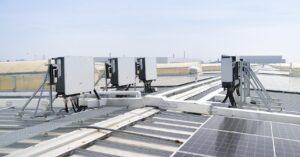
Smart solar inverters are transforming how solar systems operate. These advanced devices convert solar energy into usable electricity while optimising system performance.
Modern smart inverters now include:
- Mobile monitoring applications
- Remote system management
- Automatic fault detection
- Real-time energy tracking
- Energy optimization features
This innovation allows users to monitor energy usage and improve efficiency from anywhere.
Hybrid Solar Systems
Hybrid solar systems combine solar panels, batteries, and grid or generator backup into a single energy solution. These systems are becoming increasingly popular in Nigeria because they ensure continuous electricity availability.
Common Uses of Hybrid Solar Systems
- Residential homes
- Offices
- Hospitals
- Hotels
- Schools
- Manufacturing facilities
Hybrid systems reduce dependence on fuel generators and lower long-term energy costs.
Solar Technology for Businesses
Businesses across Nigeria are increasingly investing in solar energy to reduce operational expenses and improve productivity. Reliable electricity is essential for business growth, especially in sectors that rely heavily on a continuous power supply.
Benefits for Businesses
- Reduced electricity expenses
- Lower fuel consumption
- Increased productivity
- Sustainable brand positioning
- Improved operational efficiency
Commercial solar installations are becoming a strategic investment for companies looking to achieve long-term cost savings.
AI and Smart Energy Management
Artificial Intelligence (AI) is now playing a major role in solar energy management. AI-powered monitoring systems can analyse energy consumption patterns, detect faults early, and optimise battery usage automatically.
Smart energy systems help users:
- Reduce energy waste
- Predict maintenance needs
- Improve battery performance
- Maximize solar efficiency
This technology is improving the reliability and effectiveness of modern solar systems.
Solar Mini-Grids and Rural Electrification
Solar mini-grid technology is helping bring electricity to underserved rural communities across Nigeria. These decentralised systems provide clean and affordable electricity without depending on the national grid.
Solar mini-grids support:
- Small businesses
- Healthcare centers
- Schools
- Agricultural operations
- Community development
This innovation is helping bridge the energy gap in rural areas.
Challenges Facing Solar Technology in Nigeria
Despite rapid growth, the solar industry still faces several challenges:
- High upfront installation costs
- Limited financing options
- Importation challenges
- Technical skill shortages
- Low awareness in some communities
However, continued investment, government support, and private sector participation are helping address these issues.
The Future of Solar Energy in Nigeria
The future of solar energy in Nigeria looks promising. Emerging technologies such as smart grids, transparent solar panels, advanced battery systems, and AI-powered energy management will continue to improve renewable energy adoption.
As technology becomes more affordable, more Nigerians will transition to clean and sustainable energy solutions.
Conclusion
Solar technology innovation is transforming Nigeria’s energy future by providing cleaner, smarter, and more reliable electricity solutions. High-efficiency solar panels, lithium battery storage, smart inverters, and hybrid solar systems are helping homes and businesses reduce energy costs while improving sustainability.
Businesses and individuals who invest in solar energy today are preparing for a more sustainable and energy-secure future.