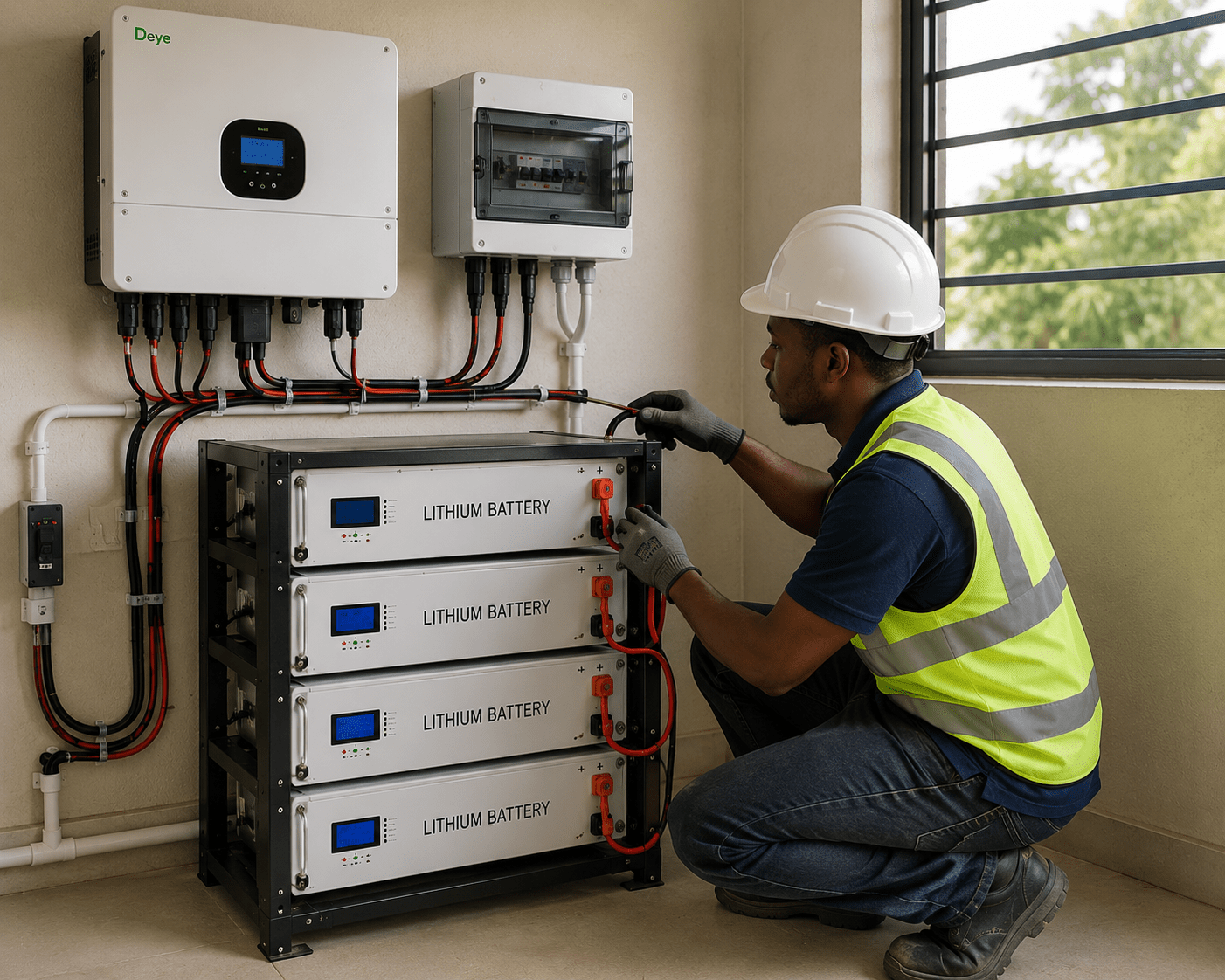
Nigeria’s renewable energy industry is undergoing a major transformation, and lithium battery technology is at the centre of this revolution.
As solar adoption increases across homes, businesses, factories, schools, and commercial facilities, the demand for reliable energy storage solutions is growing rapidly. For years, lead-acid batteries dominated Nigeria’s solar market, but today, lithium batteries are becoming the preferred choice for modern solar systems.
From residential backup systems to large-scale commercial installations, lithium batteries are redefining how Nigerians generate, store, and consume electricity.
The shift is not only improving solar efficiency but also changing the economics of energy consumption across the country.
Why Energy Storage Matters in Nigeria
Nigeria continues to face significant electricity challenges, including:
- Unstable grid supply
- Frequent power outages
- Rising diesel prices
- High generator dependence
- Increasing electricity tariffs
As a result, millions of Nigerians now rely on solar energy systems for reliable power generation.
However, solar panels alone cannot provide uninterrupted electricity without effective energy storage. Batteries are essential because they store solar energy generated during the day for use at night or during power outages.
This is where lithium battery technology is reshaping the industry.
What Are Lithium Batteries?
Lithium batteries are advanced rechargeable energy storage systems designed to store and deliver electricity more efficiently than traditional batteries.
In Nigeria’s solar industry, lithium batteries are commonly used in:
- Residential solar systems
- Commercial & Industrial (C&I) solar projects
- Mini-grid installations
- Telecom infrastructure
- Healthcare facilities
- Educational institutions
Compared to conventional lead-acid batteries, lithium batteries offer superior performance, longer lifespan, and improved reliability.
Why Lithium Batteries Are Replacing Lead-Acid Batteries
1. Longer Lifespan
One of the biggest advantages of lithium batteries is durability.
Traditional lead-acid batteries typically last between 2 and 4 years, depending on usage and maintenance. In contrast, quality lithium batteries can last 8–15 years.
Some advanced lithium battery systems provide over 6,000 charging cycles, making them a more cost-effective long-term investment.
For Nigerian businesses and households, fewer battery replacements mean lower operational costs over time.
2. Faster Charging Speed
Lithium batteries charge significantly faster than lead-acid batteries.
This feature is particularly important in Nigeria, where sunlight availability and grid power can fluctuate throughout the day.
Faster charging allows users to maximise solar energy storage during limited sunlight periods.
3. Better Energy Efficiency
Lithium batteries store and release energy more efficiently.
They experience lower energy losses during charging and discharging, which improves overall solar system performance.
This increased efficiency helps users get more usable power from their solar installations.
4. Deeper Discharge Capability
Lead-acid batteries can become damaged if discharged too deeply.
Lithium batteries, however, can safely discharge a much larger percentage of their stored energy without affecting battery lifespan.
This means users can access more backup power during outages.
5. Reduced Maintenance
Lead-acid batteries often require regular maintenance and monitoring.
Lithium batteries are largely maintenance-free, making them easier to manage for residential and commercial users.
This is especially beneficial in remote areas and large commercial installations.
The Rise of Solar + Storage Systems in Nigeria
Nigeria’s energy market is increasingly moving toward integrated solar-plus-storage solutions.
Modern solar systems now combine:
- Solar panels
- Hybrid inverters
- Lithium battery storage
- Smart monitoring systems
This combination allows users to reduce dependence on generators and the national grid.
For many businesses, energy storage is no longer optional — it has become essential for operational continuity.
How Businesses Are Benefiting From Lithium Battery Systems
Commercial and industrial sectors are among the fastest adopters of lithium battery technology in Nigeria.
Businesses are using lithium-powered solar systems to:
- Reduce diesel consumption
- Lower operational costs
- Improve energy reliability
- Maintain uninterrupted operations
- Increase productivity
Industries heavily investing in solar storage include:
- Manufacturing
- Banking
- Telecommunications
- Hospitality
- Healthcare
- Retail
- Agriculture
As diesel costs continue rising, more companies are transitioning toward renewable energy storage solutions.
Lithium Batteries and the Growth of Mini-Grids
Lithium batteries are also playing a critical role in Nigeria’s growing mini-grid sector.
Solar mini-grids rely heavily on battery storage to provide stable electricity during nighttime and cloudy weather conditions.
Lithium technology improves mini-grid performance by offering:
- Better storage efficiency
- Longer operational lifespan
- Lower maintenance requirements
- Faster system recovery
This is helping improve electricity access in rural and underserved communities across Nigeria.
The Role of Lithium Batteries in Residential Solar Adoption
Homeowners are increasingly adopting lithium battery systems because they provide:
- Longer backup hours
- Faster charging
- Better appliance protection
- Reduced noise compared to generators
- Lower long-term maintenance costs
Many urban households now prefer lithium-powered solar systems as a cleaner alternative to generators.
With rising fuel prices and unreliable electricity supply, residential demand for lithium storage solutions is expected to increase significantly.
Smart Lithium Battery Technology Is Changing Energy Management
Modern lithium batteries now come with advanced Battery Management Systems (BMS).
These intelligent systems help users:
- Monitor battery health
- Track energy usage
- Prevent overheating
- Improve safety
- Optimize charging performance
Some systems also integrate with mobile applications, allowing users to monitor energy consumption remotely.
This shift toward smart energy technology is transforming Nigeria’s renewable energy ecosystem.
Challenges Facing Lithium Battery Adoption in Nigeria
Despite rapid growth, some challenges still exist.
High Initial Cost
Lithium batteries typically cost more upfront compared to lead-acid batteries.
Although they offer better long-term value, the initial investment can still discourage some consumers.
Foreign Exchange Instability
Most lithium batteries are imported, making prices vulnerable to currency fluctuations and import costs.
Exchange rate volatility continues to affect affordability in Nigeria’s renewable energy market.
Presence of Substandard Products
The growing demand for lithium batteries has also led to an increase in fake and substandard products.
Poor-quality batteries can cause:
- System failure
- Fire hazards
- Reduced performance
- Customer distrust
This highlights the importance of purchasing from trusted distributors and professional EPC companies.
Why Quality and Trust Matter in the Lithium Market
As competition increases, trust has become one of the most important factors in Nigeria’s solar industry.
Consumers now prioritise:
- Product authenticity
- Warranty support
- Technical expertise
- After-sales service
- Reliable installation
Companies that deliver high-quality lithium solutions and professional support are building stronger customer confidence and long-term market credibility.
The Future of Lithium Batteries in Nigeria
The future of lithium battery technology in Nigeria looks extremely promising.
Several factors will continue driving growth:
- Increasing solar adoption
- Rising fuel costs
- Expansion of mini-grid projects
- Growth in commercial solar systems
- Improved battery technology
- Falling global lithium production costs
Experts believe energy storage will become one of the most valuable segments of Nigeria’s renewable energy industry over the next decade.
As the country moves toward cleaner and more decentralised energy systems, lithium batteries will remain a critical driver of transformation.
Environmental Benefits of Lithium Battery Systems
Lithium-powered solar systems contribute to environmental sustainability by reducing dependence on fossil fuels and generators.
Benefits include:
- Reduced carbon emissions
- Lower air pollution
- Cleaner communities
- Reduced noise pollution
- Improved energy sustainability
As global climate concerns increase, renewable energy storage solutions are becoming increasingly important.
Conclusion
Lithium batteries are reshaping Nigeria’s solar industry faster than ever before.
From residential homes to large industrial facilities, advanced battery storage technology is helping Nigerians achieve more reliable, efficient, and sustainable electricity solutions.
As solar adoption accelerates nationwide, lithium batteries will continue to power the future of renewable energy in Nigeria.
For businesses, investors, EPC companies, and consumers, the shift toward lithium energy storage is no longer just a trend — it is the future of Nigeria’s energy transformation.